
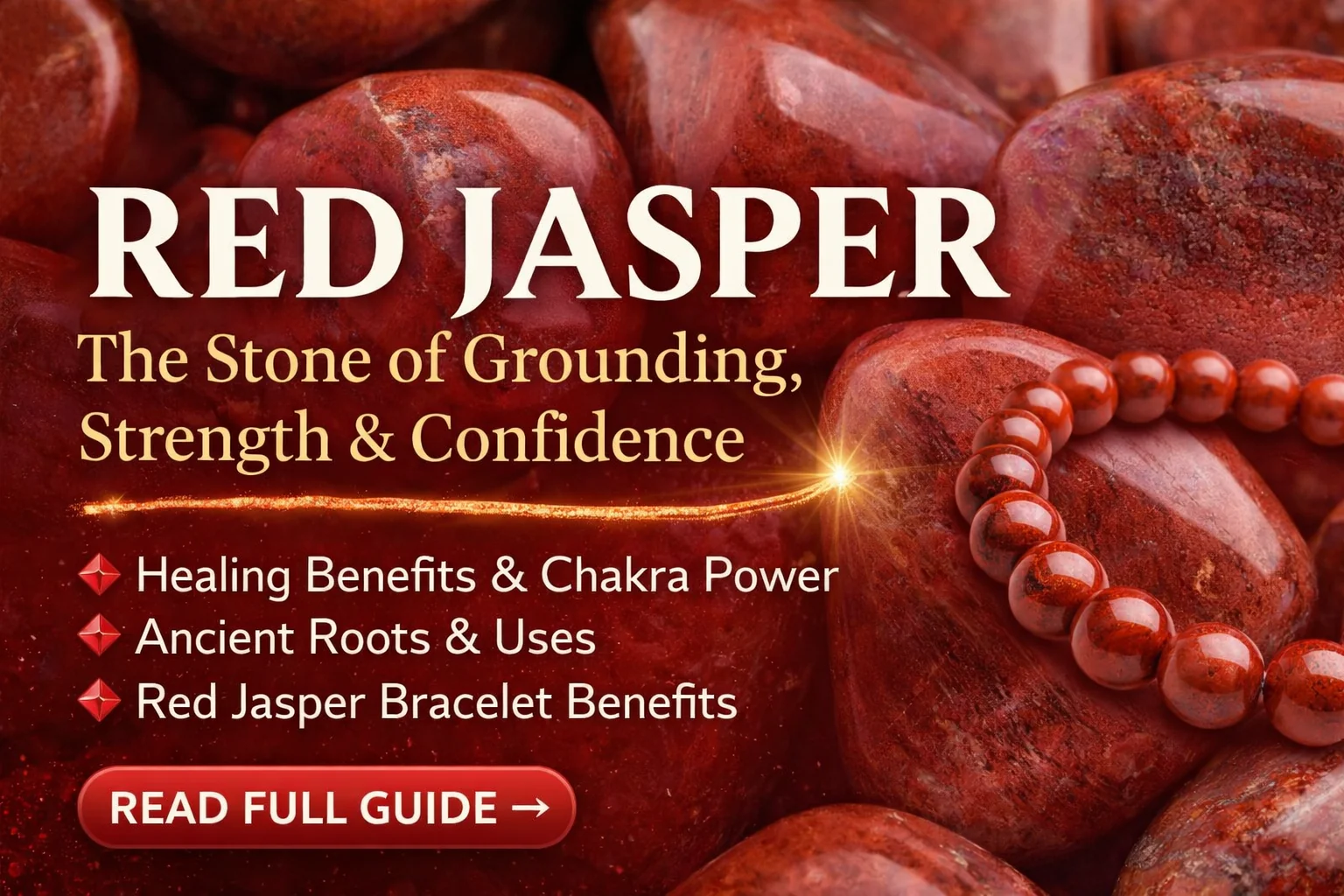
Red jasper is a beautiful gemstone known for its rich red color and natural patterns. People have admired this stone for thousands of years. Its warm color makes it popular with jewelry makers, collectors, and people who enjoy natural crystals. Moreover, its simple beauty makes it a great choice for beginners.
Many people connect red jasper with strength, courage, and stability. Some crystal lovers also believe it supports emotional balance and confidence. However, these ideas come from traditional beliefs rather than strong scientific evidence. The stone remains popular because of its history, appearance, and meaning.
Red jasper belongs to the quartz family. It usually has a deep red, brick-red, or reddish-brown color. Iron minerals give the stone its famous shade. In addition, some pieces contain small spots, lines, or other natural patterns. These features make every stone slightly different.
Whether you want to buy a gemstone, learn about crystals, or find a special gift, red jasper offers plenty to explore. In this guide, you will learn about its meaning, history, physical properties, common uses, and care tips. You will also discover how to choose a good-quality stone.
What Is Red Jasper?
Red jasper is an opaque type of chalcedony. Chalcedony is a form of quartz with a very fine crystal structure. Unlike clear quartz, red jasper does not allow light to pass through easily. Instead, it usually has a solid and earthy appearance.
The stone gets its red color mainly from iron-bearing minerals. Depending on the amount and type of these minerals, the color may look bright red, dark red, rusty red, or brownish-red. Some pieces also show cream, black, or gray markings.
Red jasper forms naturally in different geological environments. Over long periods, silica-rich materials develop into the stone. Mineral changes then create its color and patterns. As a result, natural specimens can have many different appearances.
Collectors often choose red jasper because it looks attractive without needing bright colors or a shiny surface. Jewelers also appreciate its durability. With proper cutting and polishing, the stone can become a smooth cabochon, a bead, or a decorative object.
Red Jasper Meaning
Red jasper has a strong place in crystal traditions. Many people associate it with courage, strength, protection, and emotional stability. Its deep red color often reminds people of warmth, energy, and the natural world.
Some crystal enthusiasts call red jasper a grounding stone. In crystal traditions, grounding means feeling connected to the present moment. People may keep the stone nearby while meditating, journaling, or thinking about their goals.
Furthermore, some people use red jasper as a reminder to stay calm during difficult situations. For example, someone might carry a small polished stone before a job interview or an important meeting. The stone can serve as a personal symbol of confidence.
However, it is important to understand the difference between belief and scientific fact. Researchers have not established that red jasper creates special energy or directly changes a person’s emotions. Its meaning can still feel important because personal symbols often help people focus on their intentions.
The History of Red Jasper
Red jasper has a long history of human use. Ancient communities collected colorful stones for tools, ornaments, and decorative objects. Its availability, attractive color, and ability to take a polish made it useful for different purposes.
In several ancient cultures, people valued red stones for their appearance and symbolic meaning. Some jasper objects appeared in jewelry, seals, carvings, and other items. Their exact meanings depended on the culture and time period.
Red jasper also appears in historical discussions of protective stones. People sometimes believed that certain gemstones could offer safety or courage. These ideas reflected the spiritual traditions and knowledge of their communities.
Over time, the stone continued to attract artists and craftspeople. Modern jewelers use it in necklaces, bracelets, rings, pendants, and earrings. Today, collectors also enjoy natural specimens because they show the colors and textures created by geological processes.
Although its cultural meanings have changed over the centuries, red jasper remains popular. Its long history adds interest to every piece, especially for people who enjoy learning about ancient crafts and natural materials.
Physical Properties of Red Jasper
Red jasper has several physical properties that help identify it. Understanding these features can help you choose a suitable stone for jewelry or collecting.
Color
The most noticeable feature is its red color. Some stones have a bright, warm shade, while others appear dark or earthy. The color may look slightly different under sunlight and indoor lighting.
Hardness
Red jasper usually measures about 6.5 to 7 on the Mohs hardness scale. This scale compares how easily one mineral can scratch another. Its hardness makes it suitable for many jewelry designs.
However, hardness does not mean that the stone cannot break. A strong impact may still chip or crack it. Therefore, you should handle jewelry carefully.
Transparency
Red jasper is usually opaque. This means light does not pass through it in the way light passes through clear quartz. Its solid appearance gives it a rich and earthy look.
Luster
A polished piece often has a smooth, waxy, or slightly glassy shine. An unpolished specimen may look dull or rough. The finish depends on how someone cuts and treats the stone.
Texture
Natural red jasper may have tiny spots, veins, or uneven color patterns. These details help give each specimen its own character. Some pieces look almost uniform, while others show striking patterns.
Composition
Red jasper mainly consists of silica in the form of microcrystalline quartz. Iron-bearing minerals create much of its red color. Small amounts of other minerals may affect its appearance.
Red Jasper Benefits and Traditional Beliefs
Many people search for red jasper benefits because they enjoy the spiritual meanings connected with crystals. These beliefs often focus on courage, stability, motivation, and personal growth.
It is helpful to remember that these are traditional or personal interpretations. Scientific evidence does not show that red jasper can cure illnesses, guarantee success, or provide supernatural protection.
A Symbol of Courage
Some people use red jasper as a reminder to act bravely. They may carry it when facing a challenge or starting something new. The stone can represent the courage they want to develop.
For example, a student might keep a small piece on a desk while preparing for an exam. Seeing it may remind the student to keep practicing and believe in their preparation.
A Reminder of Emotional Balance
Crystal enthusiasts often connect red jasper with calmness and stability. They may hold the stone during quiet reflection or meditation. This simple habit can create a moment to pause and think.
Still, the stone itself has no proven ability to treat anxiety or other mental health conditions. People who need emotional support should consider reliable coping methods and professional help when appropriate.
Support for Personal Motivation
Some people associate red jasper with energy and determination. They may use it as a symbol while working toward personal goals. For instance, someone could place it beside a notebook containing weekly plans.
The practical value comes from the habit of setting goals and taking action. The gemstone can serve as a reminder, but progress depends on the steps a person takes.
A Sense of Grounding
Grounding practices encourage people to focus on the present moment. Some crystal lovers include red jasper in these routines. They might hold the stone while breathing slowly or paying attention to their surroundings.
This activity can be part of a relaxing routine. However, there is no strong evidence that red jasper has a special physical effect on the body.
A Personal Symbol of Protection
In some spiritual traditions, people connect red jasper with protection. They may wear it as a pendant or keep it in a special place. For them, the stone represents safety and strength.
Nevertheless, red jasper cannot protect someone from real-world dangers. It should never replace practical safety measures or medical care.
Red Jasper and the Root Chakra
In some modern spiritual traditions, red jasper is associated with the root chakra. The root chakra is described as an energy center connected with safety, stability, and a sense of belonging.
People who follow chakra practices may use red jasper during meditation. They might place the stone nearby while thinking about their home, daily routines, or personal responsibilities.
The stone’s deep red color helps explain this connection. Red often represents strength, warmth, and physical energy in symbolic systems. Therefore, the gemstone fits naturally into these traditions.
However, chakras are part of spiritual belief systems. Science has not confirmed that gemstones can balance invisible energy centers. You can still explore these practices as a form of personal reflection if they suit your beliefs.
For a simple routine, sit somewhere comfortable and hold a polished stone. Take a few slow breaths. Then think about one thing that helps you feel safe and steady. Finally, choose one practical action that supports that feeling.
Common Uses of Red Jasper
Red jasper has many uses because it is attractive, durable, and easy to shape. People use it for personal decoration, crafts, collecting, and spiritual practices.
Jewelry
Jewelry is one of the most popular uses of red jasper. Designers often cut it into beads, cabochons, and small decorative shapes.
Common jewelry items include:
- Necklaces and pendants
- Bracelets and bead strands
- Rings with polished stones
- Earrings with red jasper beads
- Handmade jewelry sets
Its earthy color works well with silver, gold-colored metal, leather, and wooden beads. Moreover, its natural patterns can make simple designs look interesting.
Home Decorations
Some people use polished red jasper as a decorative object. A small stone can look attractive on a shelf, desk, or bedside table.
Larger specimens may become part of a mineral collection. Their natural shapes and color patterns can also make them useful for display cases and decorative bowls.
Meditation and Mindfulness
People who enjoy meditation may keep red jasper nearby. They might hold it while breathing slowly or reflecting on personal goals.
This use is based on personal preference. The stone can act as a physical reminder to pause and focus. You do not need a special crystal to meditate, but some people enjoy having one.
Craft Projects
Red jasper beads and polished pieces work well in handmade crafts. People may use them to make keychains, decorative objects, or personalized gifts.
Before starting a project, check the size and quality of the stone. Also, choose secure fittings if you plan to turn it into jewelry.
Mineral Collections
Collectors often enjoy red jasper because specimens can show many shades and patterns. Some prefer smooth polished pieces, while others collect rough stones in their natural form.
A useful collection label can include the stone’s name, purchase location, and any known details about its origin. This information helps you remember what makes each specimen special.
How to Identify Real Red Jasper
If you want to buy red jasper, it helps to know what natural material looks like. However, identifying a gemstone by appearance alone can be difficult. Some other stones and dyed materials can look similar.
Check the Color
Natural red jasper often has an earthy red shade. It may contain small variations in color, veins, or spots. Still, natural stones can also have a fairly even appearance.
Therefore, do not assume that a stone is fake just because its color looks uniform. Likewise, an uneven pattern does not automatically prove that it is genuine.
Examine the Surface
Look closely at the stone under good lighting. Natural patterns may appear within the material rather than only on its surface. A polished piece should also have a consistent finish unless it contains natural pits or marks.
If the color looks as though it sits only on the outside, ask the seller whether the stone has been dyed or coated.
Ask About Treatments
Some gemstone sellers use dyes, coatings, or other treatments to change a stone’s appearance. These treatments are not always a problem, but sellers should describe them honestly.
Ask whether the piece is natural, dyed, coated, or otherwise treated. This information can help you compare prices and understand how to care for the stone.
Buy From a Trusted Seller
Choose a seller who provides clear descriptions and accurate photographs. Read the product details carefully. If you are buying an expensive specimen, consider asking for an independent gem identification report.
Remember that home tests have limits. Scratching, heating, or applying chemicals can damage a stone. It is better to avoid risky tests when you want to keep your gemstone in good condition.
Red Jasper vs. Other Red Gemstones
Red jasper is not the only gemstone with a red appearance. Several other materials may look similar at first, but they have different properties.
Red Jasper vs. Carnelian
Carnelian is another type of chalcedony. It often appears orange, reddish-orange, or warm red. Unlike red jasper, carnelian is commonly translucent, which means some light can pass through thinner areas.
Red jasper usually looks more solid and opaque. Both stones work well in jewelry, so the best choice depends on your preferred color and appearance.
Red Jasper vs. Red Agate
Agate is a form of chalcedony that often displays bands or layered patterns. Red agate may have curved lines or stripes, while red jasper commonly looks more solid.
However, the two materials can overlap in appearance. Some specimens contain mixed features, and trade names do not always follow strict scientific rules.
Red Jasper vs. Garnet
Garnet is a group of minerals that includes several gemstone varieties. Many red garnets have a deep color and a glassy shine. Some can also allow light to pass through.
Red jasper is usually opaque and has an earthy look. Garnet is often used in fine jewelry, while red jasper is popular for beads, pendants, and decorative stones.
Red Jasper vs. Ruby
Ruby is a red variety of the mineral corundum. It is much harder than red jasper and can be valuable when it has desirable color and clarity.
Red jasper generally costs much less than fine-quality ruby. The two stones may share a red color, but their mineral composition, appearance, and market value differ greatly.
How to Choose the Best Red Jasper
Choosing a good piece depends on your purpose, budget, and personal taste. You do not need to buy the most expensive stone to enjoy its beauty.
Choose a Color You Like
Red jasper comes in many shades. Some pieces look bright and warm, while others have dark, earthy tones. Look at several options before making a choice.
If you plan to wear the stone, consider how its color works with your usual clothing and jewelry.
Look at the Shape and Finish
Polished stones feel smooth and often have a gentle shine. Rough specimens show more of the stone’s natural surface. Neither type is automatically better.
For necklaces and bracelets, check whether the holes and edges look neat. For display pieces, choose a shape and pattern that you enjoy seeing.
Check the Quality
Look for cracks, chips, and other visible damage. Small natural marks may be normal, but deep cracks can make a piece less suitable for jewelry.
If you plan to wear red jasper every day, choose a well-finished piece with secure settings and fittings.
Compare Prices
The price depends on size, quality, craftsmanship, and the seller. A simple bead may cost much less than a large carved object or a carefully designed pendant.
Compare similar products rather than judging value by size alone. Also, be cautious of sellers who promise extraordinary spiritual powers or make unsupported claims about a stone’s value.
Consider Your Purpose
Before buying, decide how you want to use the gemstone. A small polished stone may suit meditation or collecting. A bead strand may work better for crafts, while a pendant may suit everyday wear.
Having a clear purpose makes shopping easier. It also helps you avoid spending money on features you do not need.
How to Clean and Care for Red Jasper
Red jasper is fairly durable, but proper care can help it remain attractive for years. Dirt, oils, and rough handling may affect its surface or jewelry settings.
Clean It With Mild Soap
For routine cleaning, use lukewarm water, a little mild soap, and a soft cloth. Gently wipe the stone to remove dirt and oils.
If the stone has holes or detailed carvings, use a soft brush to reach small spaces. Then rinse it carefully and dry it with a clean cloth.
Avoid Harsh Chemicals
Strong cleaning products may damage metal fittings, coatings, or other materials attached to the stone. Therefore, avoid bleach, strong acids, and abrasive cleaners.
If your red jasper forms part of a mixed-material piece, check the care instructions for every component.
Store It Safely
Keep red jasper away from harder gemstones that might scratch its surface. A soft pouch or separate jewelry compartment can help protect it.
Also, avoid dropping the stone onto hard floors. Although it is reasonably hard, a strong impact can still cause chips or fractures.
Protect Jewelry Settings
If you wear red jasper in a ring or pendant, check the metal setting from time to time. Loose settings can allow the stone to fall out.
Remove jewelry before activities that may cause hard impacts. This simple habit can help preserve both the gemstone and its setting.
Avoid Unnecessary Treatments
Some crystal-care traditions recommend sunlight, moonlight, or special cleansing rituals. These practices reflect personal or spiritual beliefs rather than proven physical needs.
You do not need to expose red jasper to strong sunlight or extreme temperatures to keep it clean. Gentle physical cleaning is usually enough.
Can You Wear Red Jasper Every Day?
Many people wear red jasper every day because it suits casual and formal jewelry. Its earthy color pairs well with many clothing styles. Moreover, its hardness makes it suitable for many common jewelry designs.
However, daily wear still requires care. Rings may experience more knocks than pendants or necklaces. Bracelets can also rub against desks, bags, and other objects.
If you plan to wear red jasper regularly, choose a secure setting. Remove it before heavy work, sports, or activities that may cause strong impacts.
You should also clean the stone when it begins to look dull. A soft cloth can remove everyday oils and fingerprints. For a deeper clean, use mild soap and water if the jewelry’s other materials allow it.
Ultimately, red jasper can be a practical jewelry choice. Just remember that durability does not mean the stone is impossible to damage.
Is Red Jasper a Good Gift?
Red jasper can make a thoughtful gift for many occasions. Its natural color looks attractive, and its traditional symbolism gives it a personal touch.
You might choose it for a birthday, graduation, friendship gift, or personal milestone. For someone who enjoys jewelry, a pendant or bracelet may be a good option. A polished specimen may suit a mineral collector.
Some people choose red jasper because they associate it with courage and strength. If you give it to someone who is starting a new job or learning a new skill, you can explain that meaning in a small note.
However, consider the recipient’s taste before buying. Some people prefer bright gemstones, while others enjoy simple and natural designs. A gift becomes more meaningful when it matches the person’s interests.
You can also pair red jasper with a handwritten message. Explain why you selected the stone and what it represents to you. This personal detail can make even a small gift feel special.
Red Jasper in Modern Jewelry Trends
Natural gemstones remain popular in many jewelry styles. Red jasper fits especially well with designs that use earthy colors, simple shapes, and handmade details.
Minimalist Jewelry
A small red jasper pendant can add color without making an outfit look too busy. Simple silver or gold-colored settings allow the stone to stand out.
This style works well for people who prefer light, easy-to-wear accessories.
Bohemian Jewelry
Bohemian designs often include natural stones, leather cords, wood, and mixed beads. Red jasper’s warm color fits naturally into this style.
Bracelets and layered necklaces can combine the stone with neutral colors. The result often feels relaxed and personal.
Handmade Jewelry
Craft makers may use red jasper beads to create one-of-a-kind pieces. Since natural stones vary in color and pattern, each design can have its own character.
Handmade jewelry also allows buyers to choose bead sizes, metal colors, and other materials. This makes it easier to create a piece that suits individual taste.
Nature-Inspired Designs
Red jasper can work well with leaf shapes, floral patterns, and other nature-inspired details. Its earthy color reminds many people of soil, rocks, and warm landscapes.
These designs appeal to people who enjoy simple materials and natural themes.
Common Myths About Red Jasper
Gemstones often come with stories and claims. Some reflect cultural traditions, while others exaggerate what a stone can do.
Red Jasper Can Cure Every Illness
There is no reliable scientific evidence that red jasper cures diseases. It should not replace medical treatment, prescribed medicine, or advice from a qualified health professional.
People can enjoy gemstones while still making informed health decisions.
Every Red Jasper Stone Has the Same Power
Different traditions may assign different meanings to red jasper. Personal experiences also vary. No scientific test has shown that one piece carries a special amount of spiritual energy.
The stone’s personal meaning is a matter of belief and individual choice.
Expensive Stones Are Always Better
Price alone does not determine whether a gemstone is right for you. A simple, affordable piece may be just as enjoyable as a costly one.
Focus on the stone’s appearance, condition, and suitability for your needs.
Natural Stones Never Need Care
Even durable gemstones can collect dirt or suffer damage. Red jasper benefits from gentle cleaning and safe storage.
A little care can help preserve its appearance for a long time.
You Can Identify Every Stone by Color
Color is useful, but it is not enough to confirm a gemstone’s identity. Different minerals can share similar shades, and some stones receive treatments.
When identification matters, consult a qualified gemologist or a trusted testing service.
FAQS
1. What Is Red Jasper Good For?
Red jasper is commonly used in jewelry, crafts, collecting, and home decoration. Some people also use it during meditation because of its traditional links with courage and stability. These spiritual benefits have not been scientifically proven.
2. Is Red Jasper a Real Gemstone?
Yes. Red jasper is a natural gemstone and an opaque variety of chalcedony. It mainly consists of microcrystalline quartz and usually gets its red color from iron-bearing minerals.
3. Can You Wear Red Jasper Every Day?
Yes, you can wear red jasper every day if you care for it properly. Choose secure jewelry settings and avoid strong impacts. Clean the stone gently when needed to remove dirt and oils.
4. How Can You Tell if Red Jasper Is Real?
Look at its color, surface, and natural patterns, but remember that appearance alone cannot confirm its identity. Ask the seller about treatments and origin. For valuable pieces, seek professional gemstone identification.
5. Does Red Jasper Have Healing Powers?
Some spiritual traditions associate red jasper with grounding, courage, and emotional balance. However, scientific research has not established that it can heal diseases or treat health conditions. Use it as a personal symbol rather than a replacement for medical care.
Conclusion
Red jasper is a beautiful gemstone with a rich history, earthy color, and many practical uses. People enjoy it in necklaces, bracelets, rings, decorative objects, and mineral collections. Its natural patterns also make it an interesting choice for anyone who appreciates the beauty of rocks and minerals.
Many crystal traditions connect red jasper with courage, strength, grounding, and stability. Although science has not confirmed these spiritual effects, people can still value the stone as a personal reminder of their goals and beliefs.
When choosing red jasper, consider its color, finish, quality, and price. Buy from a trusted seller, ask about any treatments, and care for the stone with gentle cleaning and safe storage.
Most importantly, choose a piece that you genuinely enjoy. Whether you collect gemstones, create handmade jewelry, or simply love natural colors, red jasper offers a simple way to appreciate the beauty of the natural world.
