
Pests can cause many problems in homes, gardens, farms, and workplaces. Ants may enter your kitchen. Mosquitoes can make summer nights uncomfortable. Rats may damage wires, and termites can harm wooden furniture. Therefore, choosing the right tools can help you control pests and protect your space.
The best tools for pest management help you find pests, remove them, and prevent them from returning. Some tools catch insects, while others block entry points or help you apply pest control products safely. Moreover, many simple tools can help you manage pests without spending too much money.
However, every pest needs a different solution. A tool that works well against flies may not work against termites. For this reason, you should understand your pest problem before buying any equipment.
In this guide, we will explore useful pest control tools, explain how they work, and share practical tips for choosing the right equipment. You will also learn how to use these tools safely and keep your home cleaner.
What Is Pest Management?
Pest management means controlling unwanted insects, rodents, and other pests. These pests may live inside homes, damage crops, or spread germs. Good pest management focuses on reducing these problems while protecting people, pets, plants, and the environment.
For example, you can use door seals to stop insects from entering your home. You can also store food in sealed containers to prevent ants and cockroaches from finding it. These simple actions often reduce pest problems before they become serious.
Furthermore, pest management does not always require strong chemicals. Cleaning tools, traps, protective equipment, and inspection devices can also help. The best results usually come from combining several methods instead of relying on one product.
Why Are the Best Tools for Pest Management Important?
The right equipment makes pest control easier and more effective. Without suitable tools, you may miss hidden pests or use too much of a treatment. Therefore, choosing the correct equipment can save time, money, and effort.
Good tools also help you find the source of a problem. For instance, a flashlight can reveal insect activity behind appliances. A magnifying glass can help you identify small insects. Similarly, monitoring traps can show where pests appear most often.
Here are some important benefits of using suitable pest control tools:
- Better pest detection: Find insects and signs of rodents more easily.
- Improved safety: Reduce direct contact with pests and pest control products.
- Less waste: Apply treatments only where needed and according to the label.
- Long-term prevention: Block entry points and reduce conditions that attract pests.
- Time savings: Choose equipment that matches the problem instead of trying random solutions.
Most importantly, the best tools for pest management support a planned approach. First, identify the pest. Next, find out why it is present. Finally, choose a suitable control method and check whether it works.
Handheld Sprayers for Pest Control
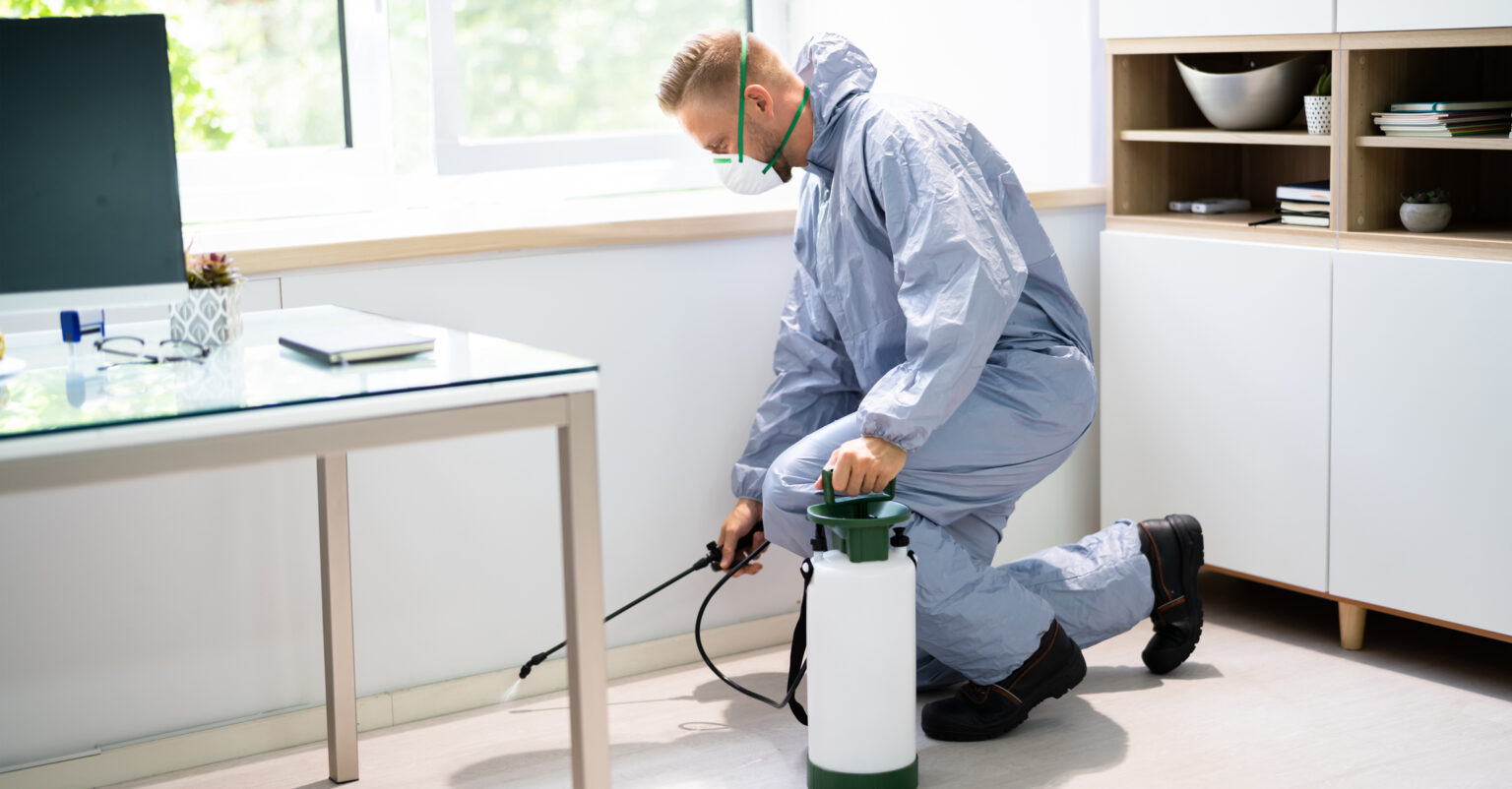
Handheld sprayers are common tools for applying liquid pest control products. They come in different sizes. Some have a simple trigger, while others use a pump to create pressure.
These sprayers can help apply products to suitable surfaces, plants, and other areas listed on the product label. However, you should never use a garden sprayer for every chemical without checking its instructions.
Before using a sprayer, read the label carefully. Wear the protective equipment it requires. Also, keep children and pets away from the treatment area as directed.
Benefits of Handheld Sprayers
- They are easy to carry.
- They can cover small areas.
- They allow controlled application.
- Many models are affordable.
- Some models have adjustable spray settings.
Nevertheless, spraying is not the answer to every pest problem. It may fail to control pests hidden inside walls or deep within furniture. In addition, spraying the wrong product can expose people, pets, and useful insects to unnecessary risks.
Insect Traps
Insect traps are among the most useful tools for pest management. They help catch certain insects or show where pest activity occurs. Different traps attract or capture different types of insects.
For example, sticky traps can help monitor small flying insects. Fruit fly traps can help reduce fruit flies near suitable food sources. Some traps use special lures to attract particular pests.
However, traps do not always remove an entire pest population. You should also address the conditions that attract the insects. For example, clean food spills, remove standing water, and store ripe fruit properly.
Common Types of Insect Traps
- Sticky traps: Catch certain crawling or flying insects.
- Fruit fly traps: Help capture fruit flies around kitchens and food areas.
- Pheromone traps: Attract specific pests using chemical signals.
- Light traps: Attract some flying insects toward a collection area.
- Monitoring traps: Help you track pest activity over time.
Always place traps according to their instructions. Keep them away from children, pets, and food preparation surfaces when necessary.
Flashlights and Inspection Lights
professionalpestguard.com
A flashlight may seem like a basic item. However, it is one of the most practical tools for finding pests. Many insects hide in dark corners, cupboards, cracks, and spaces behind appliances.
A bright flashlight helps you inspect these areas without moving every object. You can look for insects, droppings, shed skins, nests, and other signs of activity.
Moreover, an inspection light helps you check areas around pipes and doors. These spots often provide entry points for pests. By finding these openings early, you can take steps to prevent more insects from entering.
How to Use an Inspection Light
- Turn on the light before inspecting a dark area.
- Check corners, cracks, and spaces behind furniture.
- Look for signs of insects or rodent activity.
- Note where you find evidence.
- Clean the area and decide which control method fits the problem.
For better results, inspect the same areas regularly. This makes it easier to notice changes in pest activity.
Magnifying Glasses
plant-protection.com
Some pests are difficult to identify because they are very small. A magnifying glass makes it easier to see their shape, color, and body features. This information can help you choose the correct treatment.
For example, several insects may look similar at first. Yet, they may require different control methods. A magnifying glass can help you examine insects found on leaves, near windows, or around stored food.
A magnifying glass is also useful for checking plant damage. You may spot tiny insects under leaves before the damage becomes severe.
What to Look for When Buying One
- Clear magnification without a blurry view.
- A comfortable handle.
- A strong lens that resists damage.
- A size that suits your inspection needs.
- Built-in lighting, if you often inspect dark spaces.
Although this tool cannot identify every pest on its own, it can help you collect useful information. When necessary, compare your observations with a trusted pest identification guide or ask a professional.
Protective Gloves and Safety Equipment
Safety equipment should be part of every pest management plan. Gloves, protective clothing, goggles, and respirators may reduce exposure during certain tasks. However, the correct equipment depends on the product and the work involved.
For example, some pest control products require chemical-resistant gloves. Others may require eye protection or additional equipment. Always follow the product label and safety instructions.
Ordinary household gloves may not protect you from every chemical. Therefore, never assume that any pair of gloves will work. Choose equipment that matches the product’s requirements.
Essential Safety Items
- Protective gloves: Choose the material specified by the product label.
- Safety goggles: Protect your eyes when the task requires them.
- Protective clothing: Cover your skin when recommended.
- Respiratory protection: Use only the type specified for the task.
- Handwashing supplies: Wash your hands after handling pest control products.
Never eat, drink, or smoke while applying pesticides. Keep products in their original containers. Store them securely, away from food and out of children’s reach.
Bait Stations for Rodent Control
bankrate.com
Rodents such as rats and mice can damage property and contaminate food. Bait stations are enclosed devices used with certain rodent baits. They can help keep bait contained and limit access by children and pets when properly selected and secured.
However, a bait station does not make every bait harmless. Some products can poison pets and wildlife. You must follow the label and place stations only in suitable locations.
For many homes, snap traps inside secure, inaccessible locations may offer another option. Good sanitation and sealing entry holes are also important.
Tips for Better Rodent Control
- Store food in sealed containers.
- Remove crumbs and food waste.
- Seal openings around pipes and walls.
- Check for droppings and gnaw marks.
- Use traps according to their instructions.
- Inspect and maintain equipment regularly.
If rodents keep returning, look for an ongoing source of food or an entry point. A pest control professional can help when the infestation is large or difficult to reach.
Insect Nets and Screens
Insect nets and screens help stop pests from entering living spaces. They provide a physical barrier instead of relying on chemicals. This makes them a useful part of everyday pest prevention.
Window screens can keep many flies and mosquitoes outside when the mesh fits properly. Door screens can provide similar protection. Mosquito nets can also protect people while sleeping in places where mosquitoes are a concern.
However, damaged screens may allow insects to enter. Therefore, inspect them regularly and repair holes as soon as possible.
Advantages of Insect Screens
- They provide a physical barrier.
- They can reduce the need for indoor insect sprays.
- They work well when properly fitted.
- They are useful for homes and outdoor sleeping areas.
- They need relatively simple maintenance.
For the best results, combine screens with closed doors, sealed gaps, and the removal of standing water. These steps help reduce insect entry and breeding.
Caulking Guns and Sealants
stanleypest.org
Many pests enter through tiny gaps around windows, pipes, doors, and walls. A caulking gun helps you apply suitable sealant to close these openings. As a result, you can reduce the number of places pests use to enter.
Before applying sealant, inspect the gap carefully. Choose a material that suits the surface and location. Some areas may need a different repair method, especially when rodents can chew through weak materials.
Do not seal active pest nests inside walls without first addressing the infestation. In some cases, you may trap pests indoors or hide a larger problem.
Where Can You Use Sealants?
- Gaps around window frames.
- Small cracks along suitable wall joints.
- Openings around pipes.
- Gaps near door frames.
- Small spaces around other building fittings.
Larger holes may require stronger materials, mesh, or professional repairs. If you are unsure about a damaged wall or pipe opening, ask a qualified repair worker for help.
Pest Monitoring Traps
Pest monitoring traps help you understand where and when pests appear. They are especially useful in kitchens, storage rooms, gardens, and commercial buildings.
For example, a monitoring trap can reveal whether insect activity increases near a cupboard. You can then inspect the area for food spills, moisture, or hidden entry points.
These traps also help you measure progress. If you see fewer pests over time, your control plan may be working. If the numbers remain high, you may need to change your approach.
Why Monitoring Matters
- It helps locate problem areas.
- It shows changes in pest activity.
- It can reveal recurring infestations.
- It helps you decide where to focus inspections.
- It supports better long-term prevention.
Remember, monitoring traps are not always designed to eliminate pests. Their main purpose may be to collect information. Follow the instructions for each trap and record your findings when possible.
Garden Pruners and Weeding Tools
Gardens can attract many insects and other pests. Some feed on leaves, while others hide in weeds or damaged plant material. Garden pruners and weeding tools help you remove conditions that allow certain pests to thrive.
For example, you can prune badly damaged plant parts when appropriate. You can also remove weeds that compete with healthy plants or provide shelter for some pests.
However, not every insect in a garden is harmful. Bees, ladybugs, and other beneficial insects support the environment. Before removing insects or treating plants, identify the pest and check whether the damage requires action.
Useful Garden Practices
- Remove heavily damaged plant material when appropriate.
- Clear weeds around plants.
- Keep tools clean between uses.
- Check the underside of leaves.
- Avoid damaging healthy stems and roots.
- Follow local guidance for disposing of infested plant material.
These practices work best when you combine them with regular plant inspections, suitable watering, and healthy soil care.
Vacuum Cleaners for Pest Removal
bissell.com
A vacuum cleaner can help remove certain insects, eggs, dust, and debris from suitable surfaces. It can also clean areas where crumbs attract ants or cockroaches.
Use suitable attachments to reach carpet edges, floor corners, and spaces around furniture. However, a normal household vacuum may not solve an infestation on its own.
After vacuuming an area with pests, follow safe disposal instructions. Emptying the container or replacing the bag carefully can reduce the chance of pests escaping. Clean the equipment according to the manufacturer’s guidance.
Best Places to Vacuum During Pest Control
- Carpet edges and corners.
- Cracks in suitable floor surfaces.
- Areas beneath furniture.
- Spaces around kitchen appliances.
- Upholstery, when suitable for the material.
Vacuuming also helps remove food crumbs and other debris. Therefore, it supports a wider pest management plan rather than acting as a complete solution.
Moisture Meters and Leak Detection Tools
Moisture can create conditions that attract certain pests. Termites, for example, may be associated with damp wood, while some insects thrive in humid areas. Moisture meters can help you find damp materials that need attention.
Leak detection tools and careful visual inspections can also help locate plumbing problems. Fixing leaks may reduce moisture and make an area less attractive to some pests.
However, moisture control alone will not eliminate every infestation. You must also identify the pest and deal with any existing damage.
How Moisture Control Helps
- It helps you locate damp materials.
- It can reveal possible leak problems.
- It supports the protection of wooden structures.
- It helps you maintain healthier indoor conditions.
- It can reduce conditions that attract some pests.
If you find signs of termites, significant water damage, or hidden leaks, seek professional advice. These problems may require specialized inspection and repair.
Digital Pest Monitoring Devices
Technology has made pest monitoring more convenient. Some modern systems use sensors, cameras, or electronic reporting to help track pest activity. Businesses may use these tools in warehouses, food storage areas, and other locations.
For example, certain monitoring systems notify staff when a trap needs inspection. Others help workers record pest sightings and identify repeated problem areas.
However, not every electronic device has proven results against every pest. Some products marketed as ultrasonic repellents, for instance, may offer little reliable control in real-world conditions.
What to Consider Before Buying
- Check whether the device targets your specific pest.
- Read independent reviews and product instructions.
- Look for clear information about how it works.
- Consider battery life and maintenance needs.
- Compare the cost with simpler control methods.
Digital tools can support a good pest management plan. Still, they should not replace cleaning, exclusion, inspection, or proven control methods.
Garden Sprayers and Plant Inspection Tools
Garden pest management requires regular attention. Plant inspection tools help you spot early signs of insect damage, while suitable sprayers can apply products approved for the plant and pest involved.
A simple hand lens can help you examine leaves. Pruners can remove certain damaged parts. A labeled garden sprayer can help apply an approved treatment when needed.
However, never assume that a product safe for one plant is safe for every plant. Always check the label for the target pest, plant type, application rate, and safety instructions.
Tips for Garden Pest Control
- Check plants at least once a week.
- Inspect both sides of leaves.
- Remove weeds and fallen plant debris.
- Water plants according to their needs.
- Protect beneficial insects whenever possible.
- Use a treatment only when appropriate.
These habits help you catch problems early. They can also reduce the need for repeated treatments later.
Pest Identification Guides and Inspection Apps
Correct identification is one of the most important steps in pest management. Different pests behave differently. Therefore, you should know what you are dealing with before selecting a trap or treatment.
Printed identification guides can show the shape, size, and habits of common pests. Some apps allow you to photograph an insect and compare it with a database. However, photo-based identification tools can make mistakes.
Whenever possible, compare several features instead of relying only on color or one photograph. Consider where you found the pest and what damage it caused.
How to Identify a Pest
- Take a clear photograph if it is safe to do so.
- Record where you found it.
- Look at its size, shape, and visible features.
- Compare it with a reliable identification guide.
- Seek professional confirmation if the identification remains uncertain.
Accurate identification helps you avoid wasting money on unsuitable products. It also reduces the risk of harming beneficial insects.
How to Choose the Best Tools for Pest Management
Choosing the best tools for pest management depends on your pest problem, budget, location, and safety needs. You do not need to buy every tool on the market. Instead, start with the equipment that addresses your main concern.
First, identify the pest. Next, inspect the area to understand why it is present. Then choose a tool that targets the pest or helps remove the conditions attracting it.
For example, window screens may help prevent mosquitoes from entering. Sticky monitoring traps may help you track certain insects. Sealants may block small entry points, while a suitable rodent trap may help control mice.
Compare Tools Before Buying
| Tool | Main purpose | Best use |
| Handheld sprayer | Apply approved liquid treatments | Suitable labeled treatment areas |
| Insect trap | Capture or monitor insects | Specific insects and locations |
| Flashlight | Inspect dark spaces | Finding pests and entry points |
| Magnifying glass | Examine small insects | Pest identification |
| Protective gloves | Reduce contact exposure | Tasks requiring hand protection |
| Rodent trap | Catch rats or mice | Areas with rodent activity |
| Insect screen | Block insect entry | Windows, doors, and sleeping areas |
| Caulking gun | Seal suitable gaps | Preventing pest entry |
| Vacuum cleaner | Remove debris and some pests | Floors, carpets, and corners |
| Moisture meter | Check moisture levels | Damp materials and inspection work |
Before buying anything, check its quality, instructions, maintenance needs, and suitability for your problem. A simple, reliable tool often offers more value than an expensive device with unclear benefits.
Natural and Chemical-Free Pest Management Tools
Many people want to control pests without using pesticides. Physical barriers, cleaning equipment, and traps can help reduce certain pest problems. These options can also form part of an integrated pest management plan.
For example, door sweeps help close gaps beneath doors. Food containers stop pests from reaching stored food. A vacuum cleaner removes crumbs, while screens can block many flying insects.
However, natural methods are not always harmless or completely effective. Some plant-based products can irritate skin, harm pets, or affect beneficial insects. Always check safety information before using them.
Useful Non-Chemical Options
- Door sweeps: Help close gaps under doors.
- Storage containers: Keep food away from pests.
- Sticky monitoring traps: Help detect certain insects.
- Fine mesh screens: Block many flying insects.
- Vacuum cleaners: Remove crumbs and suitable debris.
- Repair tools: Help close openings that pests use.
- Dehumidifiers: Help reduce excess indoor moisture.
The most effective plan often combines several methods. This approach helps you control pests while reducing unnecessary pesticide use.
Common Pest Management Mistakes to Avoid
Even the best tools for pest management may fail if you use them incorrectly. Some people buy a product before identifying the pest. Others ignore the food, water, and shelter that attract pests in the first place.
Using too much pesticide is another common mistake. More product does not always mean better results. It may increase the risk to people, pets, and the environment.
Furthermore, placing traps in the wrong locations can reduce their effectiveness. You should follow product instructions and inspect equipment regularly.
Mistakes You Should Avoid
- Treating a pest without identifying it.
- Ignoring holes, cracks, and damaged screens.
- Leaving food uncovered.
- Allowing water to collect around the home.
- Mixing pest control chemicals.
- Using pesticides against label instructions.
- Placing traps where children or pets can reach them.
- Ignoring recurring signs of pest activity.
Instead, build a simple routine. Inspect problem areas, clean regularly, store food safely, and record any pest activity. If the problem continues, consider professional help.
Safety Tips for Using Pest Control Equipment
Safety matters whenever you handle pest control equipment. Even common products can cause harm if you misuse them. Therefore, read instructions before starting any task.
Keep pest control products in their original containers. Never transfer chemicals into drink bottles or food containers. Store them in a secure location, away from children, pets, and food.
Also, never mix different pesticides or household cleaning products unless the labels specifically allow it. Mixing products can cause dangerous reactions.
Follow These Safety Rules
- Read all product instructions before use.
- Wear the protective equipment the label requires.
- Keep children and pets away from treatment areas as directed.
- Avoid applying products near food or drinking water.
- Wash your hands after handling pest control equipment.
- Store tools and products securely.
- Follow disposal instructions for used products and containers.
If you experience symptoms after possible pesticide exposure, follow the product’s emergency instructions and contact a local poison information service or medical professional. Seek emergency help for serious symptoms.
Integrated Pest Management: A Smarter Approach
Integrated pest management, often called IPM, combines several methods to control pests. It focuses on prevention, monitoring, correct identification, and careful treatment. This approach can reduce unnecessary pesticide use.
First, inspect your home or garden. Next, identify the pest and remove things that attract it. Then use physical barriers, traps, or other suitable methods. Consider a pesticide only when needed and follow its label.
Finally, check the results. If pest activity continues, investigate why your first approach did not work. You may need a different tool or professional support.
A Simple Pest Management Plan
- Step 1: Inspect. Look for insects, damage, droppings, or entry points.
- Step 2: Identify. Find out which pest is causing the problem.
- Step 3: Prevent. Remove food sources, standing water, and shelter.
- Step 4: Control. Choose suitable traps, barriers, or labeled treatments.
- Step 5: Monitor. Check the area for new activity.
- Step 6: Improve. Change your approach if the problem continues.
This method helps you use the best tools for pest management in a practical and responsible way.
Best Tools for Pest Management for Different Places
Different locations have different pest risks. A kitchen may attract ants and cockroaches, while a garden may have aphids and caterpillars. A warehouse may need regular monitoring for stored-product pests and rodents.
Therefore, choose tools according to the area and the pest involved. Do not use one general solution everywhere.
For Homes
Homeowners can start with a flashlight, sealed food containers, door sweeps, window screens, and suitable monitoring traps. A vacuum cleaner also helps remove crumbs and debris.
For Gardens
Gardeners may benefit from pruning shears, a hand lens, insect netting, and suitable monitoring traps. Regular plant inspections can reveal damage before it spreads.
For Businesses
Businesses may need monitoring records, tamper-resistant traps, inspection lights, and documented cleaning routines. Food businesses should also follow applicable food safety rules.
For Farms
Farmers can use crop inspection tools, suitable sprayers, pest monitoring traps, and physical barriers. They should also protect pollinators and follow local agricultural guidance.
In every setting, start by understanding the problem. Then choose tools that fit the space, the pest, and the level of risk.
FAQs
1. What are the best tools for pest management?
Useful tools include insect traps, flashlights, magnifying glasses, protective equipment, sealants, and rodent traps. The right choice depends on the pest and location.
2. Can I manage pests without chemicals?
Yes. Cleaning, sealing entry points, storing food properly, using screens, and setting suitable traps can help control many pest problems. However, some infestations require additional treatment.
3. Are electronic pest repellents effective?
Results vary by device and pest. Some electronic repellents lack strong evidence of reliable control. Check independent research before spending money on one.
4. How often should I inspect for pests?
Inspect regularly, especially in areas where you have seen pest activity. Weekly checks can work well for many homes and gardens, although some situations need more frequent monitoring.
5. When should I hire a pest control professional?
Consider professional help if the infestation continues, pests enter inaccessible spaces, or you suspect termites or another serious problem. Professionals can identify the pest and recommend suitable control methods.
Conclusion
The best tools for pest management help you detect pests, control their activity, and prevent future problems. Useful options include insect traps, inspection lights, magnifying glasses, protective equipment, sealants, and suitable rodent traps.
However, buying equipment is only one part of the process. You should also keep your home clean, store food safely, repair entry points, and remove standing water. These habits can make your pest control efforts more effective.
Most importantly, identify the pest before choosing a treatment. Follow safety instructions and avoid using pesticides unnecessarily. By combining good tools with regular inspections and preventive steps, you can protect your home, garden, and workplace more effectively.
