
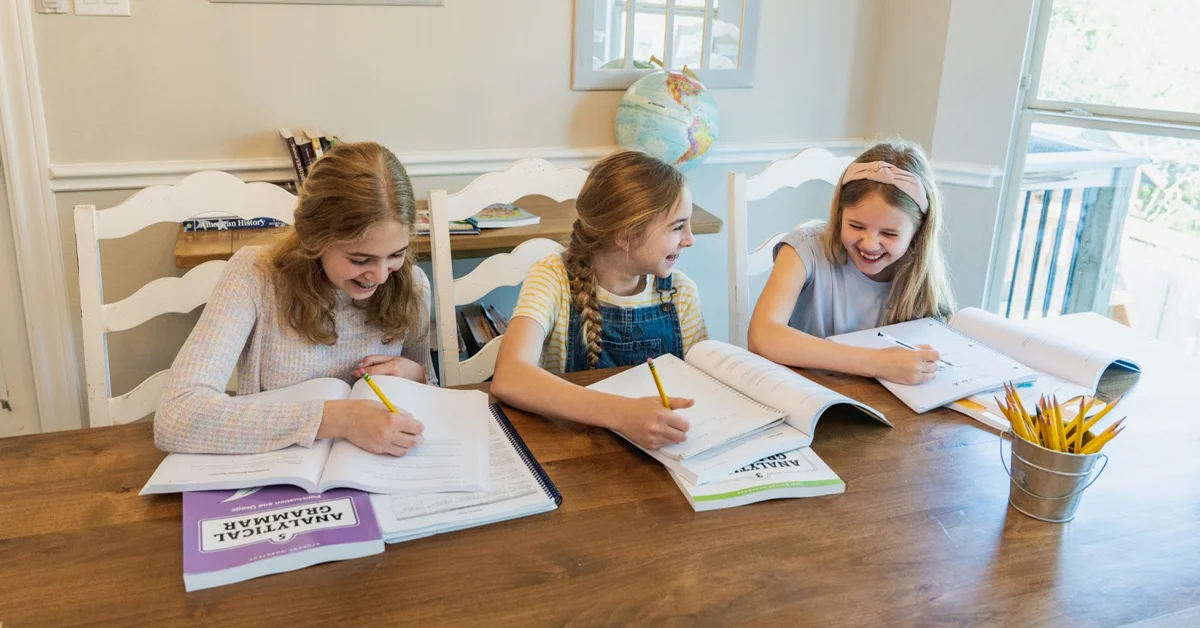
Homeschooling has become an important choice for many families around the world. Instead of sending children to a traditional school, parents choose to teach them at home. This type of education gives families more control over lessons, schedules, and learning activities. It can also give children more time to understand difficult subjects. Every child learns in a different way. Some children enjoy reading, while others learn better through pictures, games, projects, or hands-on activities. Homeschooling allows parents to notice these differences and change lessons to fit their child’s needs. However, it also requires planning, patience, time, and effort. Parents need to create a useful routine and make sure children learn important subjects. They should also give children time for play, exercise, hobbies, and social activities. When families create a healthy balance, homeschooling can become a positive and enjoyable learning experience.
What Is Homeschooling?
Homeschooling is a form of education where children learn outside a traditional school environment. Most lessons happen at home, but learning does not have to stay inside the house. A child can learn at a library, museum, park, community center, or other safe place. Parents usually guide the learning process, but they do not always have to teach every lesson themselves. Many families use books, online classes, tutors, educational websites, videos, learning apps, and other resources. The goal is to create a learning plan that helps the child grow. Some parents follow a structured curriculum, while others use a more flexible approach. The right choice depends on the child’s age, learning style, family goals, and local education rules.
One important thing to understand about homeschooling is that it does not mean copying a normal school day inside the home. Children do not always need to sit at a desk for many hours. They can learn through everyday activities. For example, cooking can teach measurements and fractions. Gardening can teach science and nature. Shopping can teach money and basic math. Reading stories can improve language skills and imagination. Even simple conversations can help children learn new words and ideas. This makes homeschooling flexible and creative. Parents can turn normal activities into useful learning opportunities. As a result, children may begin to see learning as something that happens throughout the day rather than something that only happens during a lesson.
Why Do Families Choose Homeschooling?
Families choose homeschooling for many different reasons. Some parents want greater control over their child’s education. They may want to choose the books, teaching methods, and subjects their child studies. Other parents may feel that their child needs a quieter learning environment. A busy classroom can sometimes make it hard for certain children to focus. At home, parents can reduce distractions and create a space that feels comfortable. Some families also choose homeschooling because they want a flexible schedule. This can be useful for families who travel often or have unusual work schedules.
Another reason families choose homeschooling is that children do not all learn at the same speed. In a traditional classroom, a teacher usually follows one lesson plan for many students. Some children may understand the lesson quickly, while others may need more practice. Homeschooling gives parents the chance to change the pace. If a child finds multiplication difficult, the parent can spend extra time practicing it. If the child already understands a topic, the family can move forward. This personal approach can help children feel less pressure. It can also help parents understand their child’s strengths and weaknesses more clearly.
Some families also choose homeschooling because they want to include special interests in education. A child who loves animals might enjoy science lessons about wildlife. A child who enjoys computers could learn coding as part of technology studies. A child who loves art could use drawing and painting to explore history or culture. This does not mean that children should avoid important subjects. Instead, parents can connect required subjects with things children already enjoy. This can make lessons more interesting and may encourage children to become more curious about the world around them.
Benefits of Homeschooling
One of the biggest benefits of homeschooling is flexibility. Families can create a schedule that matches their daily life. They can decide when lessons begin, when breaks happen, and how much time they spend on each subject. This can be helpful when children need extra time with a difficult topic. It can also help children who work better at certain times of the day. Some children focus better in the morning, while others become more active later. A flexible routine gives parents room to consider these differences.
Personalized learning is another major benefit of homeschooling. Parents can watch their child’s progress closely and make changes when needed. They can provide extra practice in subjects that cause problems. They can also offer harder activities when a child is ready for a challenge. This approach can help children build confidence because they do not have to compare themselves with an entire classroom. Instead, they can focus on their own progress. Small improvements can become easier to notice, and children may feel proud when they reach a new goal.
Homeschooling can also create more opportunities for family learning. Parents and children may spend more time together during lessons and projects. They can read books together, visit museums, complete experiments, or explore nature. These shared activities can create strong memories. However, families still need healthy boundaries. Children need time to play independently and spend time with other children. Parents also need personal time. A successful homeschooling routine should support the whole family, not just the child’s schoolwork.
Flexible Learning Schedules
A flexible schedule can make homeschooling easier for many families. Traditional schools usually follow fixed hours. Homeschooling can be different. Parents may decide to begin lessons after breakfast and finish the main work before lunch. Another family may prefer shorter lessons throughout the day. There is no single schedule that works for every child. Families can test different routines and choose the one that helps their children learn best.
A good schedule should include both learning and breaks. Children cannot focus well when they work for too long without rest. Short breaks can help them return to lessons with more energy. Parents can also include outdoor time, exercise, reading, hobbies, and creative activities. These activities are not a waste of time. They support physical health, creativity, and emotional well-being. Therefore, a balanced schedule can be more useful than a schedule packed with lessons.
Families should also avoid making the schedule too strict. Plans can change because children become tired, family events happen, or a lesson takes longer than expected. Parents should be willing to adjust. If a child needs another day to understand a math topic, there is no need to rush. Likewise, if a child finishes work early, the family can use the extra time for reading or another activity. Flexibility is one of the main strengths of homeschooling, so families should use it wisely.
Creating a Homeschooling Space
A good learning space can make homeschooling easier. It does not need to look like a classroom. A small desk, table, chair, bookshelf, and some basic supplies may be enough. The most important thing is that the area feels comfortable and has fewer distractions. Children should have enough space to write, read, draw, and use learning materials.
Parents can keep important supplies in one place. These may include notebooks, pencils, colored markers, books, folders, art supplies, and educational games. Keeping supplies organized saves time. Children can also learn responsibility by putting materials away after each lesson. This simple habit can make the learning area easier to manage.
The learning space does not have to stay in one location all day. Sometimes changing the environment can make a lesson more exciting. A science lesson might work well outdoors. A reading lesson could happen in a quiet corner. A history lesson could become more interesting during a museum visit. Homeschooling gives families the freedom to move learning into different places.
Subjects Children Can Study
Homeschooling can cover the same basic subjects that children usually study in school. These subjects often include mathematics, science, reading, writing, history, geography, and language. Depending on the child’s age and family goals, students may also study art, music, computers, physical education, foreign languages, and practical life skills.
Math can include numbers, addition, subtraction, multiplication, division, fractions, geometry, and problem-solving. Parents can make math more interesting with games and everyday examples. For example, cooking can teach fractions, while shopping can teach money skills. Children may understand a difficult idea better when they can see how it works in real life.
Science can also become very interactive during homeschooling. Children can observe plants, learn about animals, study weather, build simple models, and perform safe experiments. Reading and writing can happen through stories, journals, reports, and creative projects. History can include books, maps, documentaries, museum visits, and family discussions. With the right approach, almost any subject can become interesting and meaningful.
Homeschooling and Social Skills
One common question about homeschooling involves social development. Children need opportunities to interact with other people. Homeschooling does not mean a child must stay at home all day. Families can join community groups, sports teams, clubs, library activities, art classes, and other programs.
Children can also spend time with cousins, neighbors, friends, and other homeschooling families. These activities give children chances to talk, cooperate, share, solve problems, and build friendships. Sports can teach teamwork, while group projects can teach communication. These experiences can support important social skills.
Parents should make social activities part of the overall routine. Learning is not only about books and tests. Children also need to learn how to listen, communicate, cooperate, and respect others. A balanced homeschooling plan should include both academic learning and real-world interaction.
Homeschooling for Different Learning Styles
Every child has a different way of learning. Some children enjoy reading. Others understand ideas better when they see pictures. Some prefer listening, while others need to touch and build things. Homeschooling allows parents to experiment with different teaching methods.
For a child who enjoys visual learning, parents can use charts, pictures, maps, diagrams, and videos. For children who enjoy hands-on learning, projects and experiments can be useful. Children who like reading can learn through books and written activities. Music and rhythm can also help some children remember information.
Parents do not need to choose only one learning style. A child can use different methods for different subjects. The important goal is to notice what helps the child understand and remember information. Over time, parents can create lessons that match the child’s needs while still encouraging the child to try new methods.
Challenges of Homeschooling
Although homeschooling has many benefits, it also has challenges. Parents need to spend time planning lessons and organizing materials. This can feel difficult, especially when they have jobs or other family responsibilities. Some parents may also worry about whether they are teaching enough or choosing the right materials.
Another challenge is staying consistent. Children may sometimes feel tired or lose interest. Parents may also have days when they do not feel motivated. A simple routine can help. Families do not need to make every lesson perfect. They should focus on steady progress and realistic goals.
Parents may also find it difficult to separate family time from school time. When the same person is both parent and teacher, disagreements can happen. Taking breaks can help. Parents should also remember that they do not need to solve every problem alone. Tutors, online resources, community groups, and other homeschooling families can provide useful support.
How to Start Homeschooling
Starting homeschooling can feel overwhelming at first. However, families can make the process easier by taking small steps. First, parents should learn about the education rules that apply where they live. Requirements can differ by location. Families should understand any registration, reporting, testing, or record-keeping rules before they begin.
Next, parents should think about their child’s needs and learning goals. They can choose important subjects and decide what they want their child to learn during the year. There is no need to buy every resource at once. Families can begin with basic materials and add more as they understand what works.
Parents should then create a simple routine. The first schedule does not have to be perfect. Families can try it for a few weeks and make changes. The goal is to create a routine that children can follow without feeling overwhelmed. With time, parents usually become more comfortable with planning and teaching.
Choosing Homeschooling Materials
The right materials can make homeschooling easier. Parents can use textbooks, workbooks, storybooks, educational videos, online lessons, worksheets, games, and hands-on projects. The best materials depend on the child’s age, interests, and learning needs.
Parents should avoid choosing materials only because they look impressive. A resource should be easy for the child to understand. It should also match the child’s current level. If a book is too difficult, the child may become frustrated. If it is too easy, the child may become bored.
It is also helpful to use a mix of resources. A math book can provide practice, while a math game can make the topic fun. A science textbook can explain an idea, while an experiment can show how it works. Combining different resources can keep lessons fresh and interesting.
Using Technology in Homeschooling
Technology can be a useful part of homeschooling when families use it carefully. Children can access educational websites, digital books, videos, learning games, and online classes. These resources can explain difficult ideas in different ways.
However, parents should not let screens replace every type of learning. Children still need books, conversations, writing, outdoor activities, exercise, and hands-on projects. Too much screen time can also make it harder for some children to focus.
Parents can create clear technology rules. For example, children might use a tablet for a math lesson and then take a break. They can also use educational videos as part of a lesson rather than watching random content. With balance, technology can become a helpful tool.
Making Homeschooling Fun
Learning does not need to feel boring. Parents can add games, challenges, stories, experiments, art, and outdoor activities to lessons. Even a simple quiz can become fun when children get to earn points or choose the questions.
Projects are another great way to make homeschooling enjoyable. A child might build a model, create a poster, write a short story, grow a plant, or make a simple presentation. These activities allow children to use several skills at the same time.
Parents should also listen to their children. If a lesson is not working, they can try something different. Sometimes a child does not dislike a subject. The child may simply dislike the way it is being taught. Changing the activity can make a big difference.
Homeschooling and Independence
Homeschooling can help children become more independent when parents give them age-appropriate responsibility. Young children may need close support. Older children can gradually learn how to organize books, complete assignments, check their work, and manage their time.
Parents should not do everything for their children. Instead, they can guide them and allow them to solve problems. For example, if a child cannot find a notebook, the parent can encourage the child to think about where it was last used. Small responsibilities can build useful habits.
Independence takes time. Children will make mistakes. That is normal. Parents can use mistakes as learning opportunities. The goal is not to create a perfect student. The goal is to help children become confident learners who know how to keep trying.
Tips for Successful Homeschooling
Families can make homeschooling easier by keeping their plans simple. They do not need to copy a traditional classroom. Instead, they should focus on the most important learning goals. A clear routine can help children know what to expect each day.
Parents should also celebrate progress. A child may struggle with a topic for several days before finally understanding it. When that happens, positive encouragement matters. Small achievements can motivate children to keep working.
Another useful tip is to stay flexible. If a method is not working, change it. If a child needs more practice, slow down. If a lesson becomes boring, add a game or project. Successful homeschooling is not about following a perfect plan. It is about finding what works for the child and family.
Common Homeschooling Mistakes to Avoid
One common mistake is trying to teach too much in one day. Parents may feel that they need to complete many worksheets and lessons. However, children can learn a lot from fewer activities when those activities have a clear purpose.
Another mistake is comparing one child with another. Every child develops at a different speed. A child may be excellent at reading but need more time with math. Parents should focus on individual growth instead of constant comparison.
Parents should also avoid expecting every day to go perfectly. Some days will be productive. Other days may feel difficult. That does not mean homeschooling has failed. Families can simply adjust the plan and start again the next day.
Homeschooling for Different Ages
Homeschooling looks different at different ages. Young children often learn best through play, stories, simple activities, and short lessons. They need movement and frequent breaks. Parents should keep early learning enjoyable and avoid making lessons too stressful.
Older children can handle more structured lessons. They may study advanced math, science, writing, history, technology, and other subjects. They can also begin working more independently. Parents can guide them while giving them greater responsibility.
Teenagers may have different educational goals. They might want to prepare for college, career training, work, or practical life. Their homeschooling plan can include academic subjects along with skills such as budgeting, communication, technology, cooking, and time management.
Is Homeschooling Right for Every Family?
Homeschooling can work well for many families, but it is not the perfect choice for everyone. Parents should think about their time, resources, teaching ability, family needs, and child’s learning style. They should also consider local education requirements before making a final decision.
Families should be honest about their strengths and challenges. If parents have limited time, they may need outside support. Tutors, online classes, learning groups, and community programs can help. Homeschooling does not mean parents must do everything alone.
The most important question is whether the chosen education method helps the child learn and grow. Every family is different. What works for one family may not work for another. Parents should choose the approach that fits their situation and supports their child’s development.
FAQs
1. What is homeschooling?
Homeschooling is an education method where children learn outside a traditional school. Parents or other educators guide lessons at home or in other learning spaces.
2. Is homeschooling difficult?
Homeschooling can be challenging, especially when parents are new to it. However, planning, simple routines, and helpful resources can make the process easier.
3. Can homeschooled children make friends?
Yes. Homeschooled children can make friends through sports, clubs, community activities, classes, family events, and homeschooling groups.
4. Do homeschooled children study all day?
No. Homeschooling does not require children to study all day. A balanced routine includes lessons, breaks, exercise, hobbies, play, and social activities.
5. Is homeschooling good for children?
Homeschooling can be a good option for some children. Its success depends on the child’s needs, family situation, teaching approach, and learning environment.
Conclusion
Homeschooling gives families a flexible way to educate children. It allows parents to adjust lessons, schedules, and activities based on individual needs. Children can learn through books, projects, games, conversations, experiments, and everyday experiences. This flexibility can make education more personal and enjoyable.
However, homeschooling also requires responsibility. Parents need to plan lessons, create routines, find useful resources, and provide opportunities for social activities. They should also remember that no learning plan needs to be perfect. Children learn through mistakes, practice, questions, and exploration.
Overall, homeschooling can be a rewarding choice when families approach it with patience and realistic goals. The best approach focuses on steady progress rather than perfection. With good planning, flexibility, encouragement, and support, children can build strong academic skills while also becoming curious, confident, and independent learners.
