
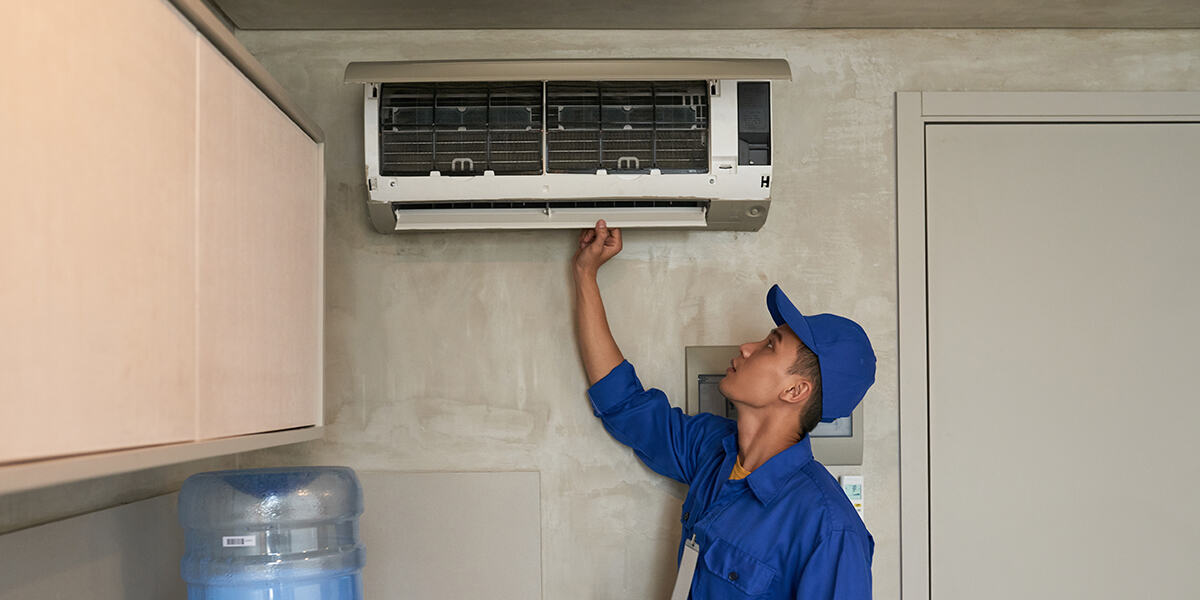
An air conditioner is one of the most useful machines in a hot home. It keeps rooms cool and makes daily life more comfortable. However, an AC can sometimes stop working correctly. People may call this a breaking AC problem. It can happen suddenly or develop slowly over time. Sometimes, the cause is very simple, such as a dirty air filter. In other cases, the problem may involve the fan, compressor, refrigerant, thermostat, electrical parts, or drainage system. Understanding these problems can help you notice warning signs early and avoid bigger repair costs.
A breaking AC does not always mean that the whole air conditioner needs to be replaced. Many AC problems have simple solutions. For example, cleaning a dirty filter can improve airflow. Removing leaves from the outdoor unit can also help the system work better. However, some problems require a trained technician. Electrical faults, refrigerant leaks, compressor problems, and damaged wiring can be dangerous to handle without proper knowledge.
This guide explains everything you should know about a breaking AC. We will look at common warning signs, possible causes, simple troubleshooting steps, maintenance ideas, repair decisions, and prevention tips. The information is written in simple English so that even a beginner can understand how an air conditioner works and what to do when it starts showing problems.
What Does Breaking AC Mean?
The phrase breaking AC usually describes an air conditioner that is not working properly or is beginning to develop a fault. It can mean many different things. For example, an AC may turn on but produce warm air. It may also make strange sounds, leak water, smell unusual, or stop working after a few minutes. Therefore, the phrase does not describe one specific fault.
An air conditioner has many parts that work together. The indoor unit moves air around the room. The outdoor unit removes heat from the home. The compressor moves refrigerant through the system. The thermostat controls the temperature. Fans, filters, coils, electrical parts, and drainage components also play important roles.
When one part develops a problem, the entire system can be affected. That is why learning the early signs of a breaking AC can be useful. If you notice a small problem early, you may be able to prevent it from becoming a larger and more expensive repair.
Common Signs of a Breaking AC
One of the most common signs of a breaking AC is poor cooling. You may set the thermostat to a low temperature, but the room still feels warm. The AC may continue running for a long time without making the room comfortable. This can happen because of poor airflow, dirty coils, low refrigerant, or another mechanical problem.
Another common warning sign is weak airflow. You may notice that air comes from the vents, but it feels much weaker than usual. A dirty filter is one possible cause. A fan problem or blocked airflow can also create this issue. Therefore, weak airflow should not be ignored when it continues for a long time.
Strange sounds can also indicate trouble. A normal AC makes some sound while operating, but a new grinding, buzzing, rattling, clicking, or squealing noise can be a warning. The sound may come from a loose part, fan, motor, or electrical component. If the noise is unusual, turn the system off when necessary and arrange a professional inspection.
Some common breaking AC signs include:
- Warm air from the vents
- Weak airflow
- Water around the indoor unit
- Strange smells
- Loud or unusual sounds
- Ice on the AC unit
- Frequent shutdowns
- Higher electricity bills
- AC refusing to start
- Uneven cooling
- Thermostat problems
- Outdoor unit not running
Why Does an AC Start Breaking?
There are many reasons why an air conditioner can start failing. One major reason is poor maintenance. Dust, dirt, and other particles can collect inside the system. When these parts become dirty, the AC may need to work harder to provide the same level of cooling.
Age is another important factor. Air conditioners contain moving and electrical parts that can wear out after years of use. An older system may experience more frequent problems than a newer one. However, age alone does not mean that an AC must be replaced.
Weather can also affect AC performance. During extremely hot days, an air conditioner has to work harder to remove heat from the home. If the outdoor unit is dirty or blocked, the system can struggle even more. Therefore, good maintenance becomes especially important during hot weather.
Dirty Filters and Breaking AC Problems
A dirty filter is one of the simplest causes of AC trouble. The filter catches dust and particles before air moves through the system. Over time, the filter can become filled with dirt. When that happens, air may not move freely through the AC.
Poor airflow can make the system work harder. The room may also take longer to cool. In some cases, the AC may develop other problems because it cannot move enough air. Therefore, checking the filter regularly is one of the easiest ways to prevent a breaking AC situation.
The exact cleaning or replacement schedule depends on the AC model, filter type, indoor environment, and manufacturer’s instructions. Homes with lots of dust or pets may need more frequent attention. Always switch the system off before removing or cleaning a filter, and follow the instructions provided with the unit.
Low Refrigerant and Cooling Problems
Refrigerant is an important part of an air conditioning system. It helps the AC transfer heat from inside the building to the outside. If the refrigerant level becomes too low, the system may not cool properly.
Low refrigerant can happen because of a leak. Simply adding refrigerant may not solve the main problem if a leak remains. A trained technician can inspect the system, find the cause, and perform the correct service.
Ice around the indoor coil or refrigerant lines can sometimes appear when an AC has airflow or refrigerant problems. If you notice unusual ice, turn the system off and seek professional assistance. Refrigerant work should not be treated as a simple DIY repair.
Electrical Problems in a Breaking AC
Electrical problems can cause an AC to stop suddenly. Sometimes a circuit breaker may trip. In other cases, the problem may involve a capacitor, wiring, control board, motor, or another electrical component.
Electrical faults can be dangerous. Electricity can cause serious injury or fire if handled incorrectly. Therefore, homeowners should avoid opening electrical panels or touching exposed wires without the required training.
If an AC repeatedly trips the breaker, produces a burning smell, or shows signs of electrical damage, stop using it and contact a qualified professional. Trying to force the system to operate can make the problem worse.
Water Leaks From an AC
Water around an indoor air conditioner is another common warning sign. The system normally creates condensation while it operates. This water should move safely through the drainage system.
If the drain becomes blocked, water may collect inside the unit or around it. A dirty drain pan can also contribute to leakage. Frozen coils may create another problem because melting ice can produce more water than the system can handle.
A small leak may seem harmless, but repeated water can damage walls, ceilings, floors, furniture, and nearby electrical components. Therefore, do not ignore a leaking AC. If the source is not obvious, call a qualified technician.
Strange Smells From a Breaking AC
Unusual smells can come from several sources. Dust inside the system can create a musty smell. Moisture and dirt can also cause unpleasant odors. In some cases, the smell may come from a dirty filter or other internal buildup.
A burning smell is more serious. It may indicate overheating or an electrical problem. If you notice a strong burning odor, turn the AC off and avoid using it until a qualified professional checks the system.
You should also avoid simply covering bad smells with air fresheners. The smell is often a warning that something needs attention. Finding and fixing the actual cause is much safer than hiding the symptom.
Strange Sounds and Breaking AC
Every air conditioner makes some noise. Fans move, motors operate, and air travels through ducts or vents. However, a sudden change in sound can indicate a problem.
A rattling noise may come from a loose part. Grinding can indicate a problem with a motor or moving component. Clicking may sometimes come from controls or electrical components. A loud buzzing sound can also deserve attention.
Do not put your hands inside a running AC to investigate a noise. Moving fans can cause injuries. Instead, switch the system off when appropriate and arrange a professional inspection if the unusual sound continues.
AC Is Running but Not Cooling
An AC that runs without cooling the room can be frustrating. The first thing to check is the thermostat. Make sure it is set to cooling mode and that the temperature setting is appropriate.
Next, check the air filter. A heavily blocked filter can reduce airflow. Also, make sure vents are not blocked by furniture, curtains, or other objects. These simple checks can sometimes solve a basic airflow problem.
If the AC still does not cool, the issue may be more serious. Dirty coils, low refrigerant, fan problems, compressor problems, or electrical faults may be involved. A professional inspection can identify the actual cause.
AC Turns On and Off Too Often
An AC that repeatedly turns on and off may be experiencing short cycling. This means the system does not complete normal cooling cycles before shutting down.
Several problems can cause this behavior. A dirty filter can affect airflow. A thermostat can also have a problem. In some situations, the AC may not be properly sized for the space.
Short cycling can increase wear because the system starts repeatedly. It can also affect comfort and energy use. If your AC frequently turns on and off without reaching the desired temperature, have it inspected.
How to Check a Breaking AC Safely
You can perform a few simple checks without opening the air conditioner. First, look at the thermostat. Check whether the display works and whether the system is set to cooling mode.
Then inspect the filter. If it is extremely dirty, follow the manufacturer’s instructions for cleaning or replacement. Also, check whether furniture or curtains are blocking important vents.
Finally, look at the outdoor unit from a safe distance. Make sure leaves, boxes, plants, and other objects are not blocking the area around it. Never touch exposed wires, refrigerant lines, or electrical components.
When Should You Call an AC Technician?
Some AC problems require professional attention. Refrigerant issues, electrical faults, compressor problems, damaged wiring, and complicated mechanical failures should be handled by trained professionals.
You should also seek help when the AC repeatedly stops working. A problem that keeps returning may have an underlying cause. Repeatedly restarting the system may only hide the real issue for a short time.
Call for professional help if you notice burning smells, exposed wires, major water leaks, unusual compressor sounds, or refrigerant concerns. Safety should always come before saving a small amount of money on a repair.
How to Prevent a Breaking AC
Regular care can reduce many common AC problems. Start by keeping the filter clean according to the manufacturer’s recommendations. Good airflow helps the system operate more efficiently.
Keep the outdoor unit clear of leaves, grass, boxes, and other objects. The unit needs enough open space to release heat. Also, keep doors and windows closed when the AC is running.
Professional maintenance can also help. A technician can inspect important parts and identify problems that may not be visible to a homeowner. Regular service can be especially useful for older systems or ACs that run heavily.
Keep the Outdoor Unit Clean
The outdoor unit has an important job. It releases heat that the AC removes from your home. If dirt covers the coils or objects block airflow, the system may have difficulty releasing that heat.
Keep plants and other objects away from the outdoor unit. Do not build storage areas directly around it. Good airflow gives the equipment a better environment for normal operation.
However, be careful when cleaning around the unit. Avoid touching electrical parts. If the coils need deep cleaning or the unit appears damaged, ask a qualified professional to handle the work.
Use the Thermostat Correctly
The thermostat controls when your AC runs. Setting the temperature extremely low does not necessarily make the room cool faster. Instead, the system may need to operate for a longer period.
Choose a comfortable temperature and allow the AC enough time to cool the room. Also, keep windows and doors closed while the system operates.
Curtains and blinds can help reduce direct sunlight. This can lower the amount of heat entering the room. As a result, the AC may not need to work as hard.
Why Regular AC Maintenance Matters
Maintenance helps you find small problems before they become major issues. A technician can inspect airflow, coils, electrical components, drainage, and other parts of the system.
Regular cleaning can also improve the overall condition of an AC. However, maintenance cannot prevent every possible failure. Mechanical parts can still wear out, especially as equipment becomes older.
Even so, good maintenance can reduce avoidable problems. It can also help you understand the condition of your AC and plan repairs before an emergency happens.
Breaking AC and High Electricity Bills
A breaking AC can sometimes use more electricity than a healthy system. When airflow is poor or important parts are dirty, the AC may need to run longer to reach the desired temperature.
A sudden increase in electricity use does not always mean the AC is broken. Weather can have a major effect. If outdoor temperatures become much higher, your AC may naturally run more often.
Still, an unexpected change deserves attention. Check the filter, thermostat, airflow, and outdoor unit. If the problem continues, a professional inspection can help identify whether the AC is contributing to the higher energy use.
Breaking AC in Very Hot Weather
Very hot weather can place a lot of stress on an air conditioner. The system has to remove more heat from the building when outdoor temperatures rise.
During these periods, a dirty filter or blocked outdoor unit can make cooling even harder. Therefore, basic maintenance becomes very important before the hottest part of the year.
You can also reduce indoor heat by closing curtains during strong sunlight. Keep doors and windows closed while the AC operates. These simple steps can help maintain a more comfortable room.
Old AC Units and Frequent Repairs
An older AC may require repairs more often. Motors, fans, electrical components, seals, and other parts can wear out over time.
Older systems may also have different energy performance compared with newer models. However, replacement is not automatically the right answer. The decision depends on the unit’s condition and the cost of future repairs.
If an old AC needs repeated expensive repairs, compare the repair cost with the expected remaining service life. A qualified technician can provide useful information about the condition of the system.
Common Breaking AC Mistakes
One common mistake is ignoring warning signs. People may continue using an AC even after it starts making unusual sounds or leaking water.
Another mistake is changing many settings without checking simple causes. A dirty filter or incorrect thermostat setting may sometimes explain the problem.
A more serious mistake is attempting electrical or refrigerant repairs without proper training. These systems can create safety risks. When the problem goes beyond basic maintenance, professional assistance is the safer option.
Simple Breaking AC Troubleshooting Checklist
Before calling a technician, you can safely check several basic things:
- Check the thermostat.
- Make sure cooling mode is selected.
- Check the air filter.
- Look for blocked vents.
- Check the outdoor area for obvious obstructions.
- Look for visible water leaks.
- Listen for unusual sounds.
- Check whether a circuit breaker has tripped.
- Look for unusual ice.
- Turn the system off if you smell burning.
- Contact a professional if the problem continues.
These checks can help you understand what may be happening. However, they should not replace professional service when the problem involves complicated components.
How Much Can AC Repair Cost?
The cost of repairing a breaking AC depends on many factors. The exact price can vary based on the AC model, location, required parts, labor, and type of problem.
A simple filter replacement may cost very little. A damaged electrical component, fan motor, compressor, or refrigerant leak can require more expensive work.
Before agreeing to a major repair, ask the technician for a clear estimate. Ask what caused the problem and whether the repair includes any warranty. Understanding the repair can help you make a better decision about the future of the system.
Breaking AC: Repair or Replace?
Repairing an AC may make sense when the problem is small. A blocked drain, dirty filter, minor component issue, or simple maintenance problem may not justify replacing the entire system.
Replacement can become a consideration when an older unit needs repeated major repairs. High energy use and limited reliability may also affect the decision.
There is no single answer for every home. Consider the AC’s age, condition, repair history, expected repair cost, energy use, and available replacement options before making a decision.
Choosing a New AC
If you decide to replace your old AC, start by considering the size of the room or building. An AC that is too small may struggle to cool the space.
An oversized AC can also create problems. It may cool the room quickly without removing enough moisture. Therefore, proper sizing matters.
Also consider energy efficiency, warranty coverage, installation quality, maintenance needs, and local climate. A qualified HVAC professional can help determine the appropriate system size for your space.
How to Make Your AC Last Longer
Simple habits can help your AC last longer. First, keep the filter clean and maintain good airflow. Next, keep the outdoor unit free from unnecessary objects and heavy dirt.
Do not ignore strange sounds, unusual smells, water leaks, or sudden cooling changes. These signs may indicate that something needs attention.
Finally, arrange professional maintenance when appropriate. Early attention can sometimes prevent a small problem from becoming a major breakdown. Good care is one of the easiest ways to reduce the risk of a breaking AC.
Breaking AC: Final Things to Remember
A breaking AC can show many different warning signs. It may stop cooling, produce weak airflow, leak water, make strange sounds, or use more electricity than usual.
Some problems are simple. Others require professional attention. Therefore, start with safe checks such as the thermostat, filter, vents, and outdoor area.
Most importantly, do not ignore serious warning signs. Electrical problems, burning smells, refrigerant issues, and major leaks should receive professional attention. With regular maintenance and careful use, you can reduce many common AC problems and keep your home comfortable.
FAQs
What does breaking AC mean?
Breaking AC usually means an air conditioner that is not working correctly or is starting to develop a problem. The issue can involve cooling, airflow, electricity, drainage, refrigerant, or mechanical parts.
Why is my AC running but not cooling?
A dirty filter, blocked airflow, dirty coils, low refrigerant, or a mechanical problem can cause poor cooling. Start with simple checks. If the problem continues, contact a qualified technician.
Can a dirty filter cause AC problems?
Yes. A very dirty filter can reduce airflow and make the system work harder. Regular filter cleaning or replacement can help maintain good airflow and reduce unnecessary stress on the system.
Why is my AC leaking water?
A blocked drain, dirty drain pan, frozen coil, or another drainage problem can cause water to appear around an AC. Repeated leaks should receive professional attention to prevent property damage.
Should I repair or replace a breaking AC?
It depends on the age and condition of the system, the repair cost, and its expected future performance. A qualified technician can inspect the unit and explain the available repair and replacement options.
Conclusion
A breaking AC can be frustrating, especially during hot weather. However, many AC problems provide warning signs before they become serious. Weak airflow, warm air, strange sounds, water leaks, bad smells, and frequent shutdowns should all receive attention.
Simple maintenance can prevent many common problems. Keep filters clean, protect the outdoor unit from blockage, use the thermostat correctly, and arrange professional maintenance when needed.
If the AC develops an electrical problem, refrigerant issue, serious leak, burning smell, or major mechanical fault, do not attempt a risky repair yourself. Professional help can keep the system safer and help identify the real cause.
With good care, regular checks, and early repairs, you can reduce the chance of a breaking AC and enjoy a cooler, more comfortable home.
