
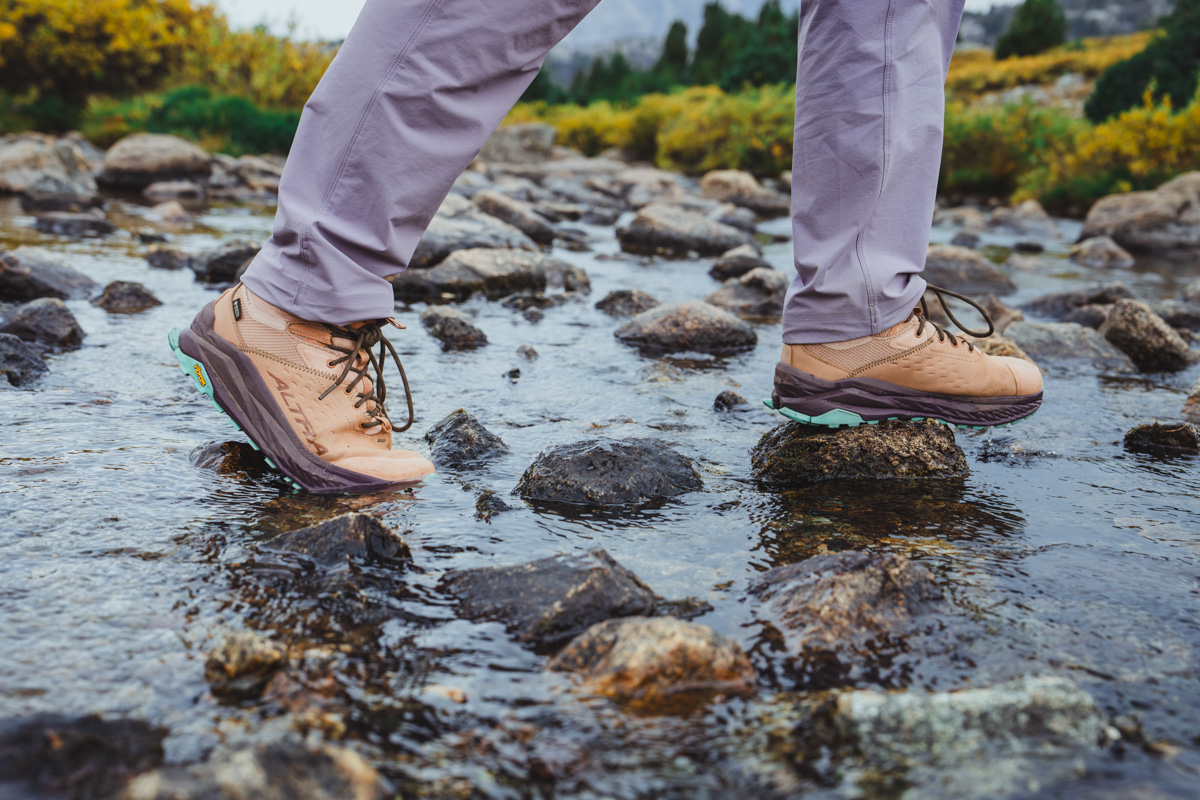
Hiking is a great way to enjoy fresh air, nature, and beautiful views. However, the weather can change quickly on a trail. Rain can make the ground wet and muddy. Small streams can cross your path. Wet grass can also soak your shoes. That is why many hikers choose waterproof hiking boots for outdoor trips. These boots can help keep your feet dry while giving you support on different types of ground. They can also protect your feet from small rocks, mud, cold water, and rough surfaces. However, choosing the right pair can take some time because many boots look similar at first.
A good hiking boot should do more than stop water. It should also feel comfortable during long walks. It should have a strong sole with good grip. It should fit your foot without squeezing your toes. Furthermore, it should give you enough support for the type of trail you enjoy. Some people hike on easy paths near their homes. Others walk on rocky mountains or muddy forest trails. Therefore, the best waterproof hiking boots for one person may not be the best choice for another person.
What Are Waterproof Hiking Boots?
Waterproof hiking boots are outdoor boots designed to help stop water from reaching your feet. They often use special materials or waterproof membranes. These materials create a barrier between your feet and outside moisture. As a result, your feet can stay drier when you walk through rain, wet grass, or shallow puddles. Some boots also use treated leather or synthetic materials that help resist water. However, different boots offer different levels of protection, so it is important to read the product information before buying.
The design of a hiking boot also matters. Many boots have sealed areas around important seams. These seams can otherwise allow water to enter. Some boots also have higher collars around the ankle. This design can provide extra protection when the trail becomes wet. Still, water can enter from the top if you step into deep water. Therefore, waterproof boots work best when you use them in conditions that match their design.
Another important point is that waterproof does not mean your feet will always feel completely dry. Your feet can produce sweat while you walk. If the boot does not breathe well, moisture can build up inside. For this reason, you should look for a balance between water protection and breathability. This balance can make a big difference during long hikes.
Why Waterproof Hiking Boots Matter
Wet feet can make a pleasant hike uncomfortable. When your socks become soaked, your feet may rub against the inside of your boots. This rubbing can cause blisters. Wet feet can also feel cold when the temperature drops. Therefore, keeping your feet dry can improve both comfort and enjoyment during outdoor activities.
Waterproof hiking boots can be especially useful in areas where rain is common. They can also help when hiking through forests with wet grass. After rain, trails can become muddy and slippery. Good boots can protect your feet while also providing better traction. This combination can help you feel more stable as you walk.
Waterproof boots can also be useful during unexpected weather. You may begin a hike under a clear sky and later face heavy rain. If your normal shoes are not designed for wet conditions, your socks may quickly become soaked. With a suitable waterproof pair, you have an extra layer of protection. Therefore, these boots can be a practical choice for people who often hike in changing weather.
How Waterproof Hiking Boots Work
Most waterproof boots use a barrier that stops liquid water from passing through. This barrier may come from a waterproof membrane placed between layers of material. The membrane contains very small openings. These openings can help block larger water drops while allowing some moisture vapor to move outward.
Different brands use different waterproof technologies. Some focus heavily on water protection. Others try to balance waterproofing with breathability. Therefore, you should think about the conditions where you normally hike. If you hike in heavy rain, strong water protection may be your main concern. If you hike in warm weather, breathability may become more important.
The boot construction also affects waterproof performance. Even a strong waterproof material cannot help much if water enters through an open seam or the top of the boot. For example, stepping into deep water can allow water to flow over the collar. Therefore, waterproof boots are not designed to replace careful hiking. They are simply another useful layer of protection.
Important Features to Look For
When buying waterproof hiking boots, do not look only at the waterproof label. You should also consider comfort, traction, support, weight, and durability. These features work together to create a good hiking experience. A boot can be highly waterproof but still uncomfortable if it does not fit your foot properly.
Start with the sole. A hiking boot should have a strong outsole with a useful tread pattern. Deep lugs can provide better grip on loose dirt and mud. A good sole can also help on wet rocks and uneven ground. However, the best tread depends on the type of trail you normally use.
Next, consider the fit. Your heel should stay secure inside the boot. At the same time, your toes need enough room to move. Your feet can swell slightly during long hikes. Therefore, a boot that feels extremely tight at home may become uncomfortable after several hours on the trail.
Waterproof Materials
Hiking boots use many different materials. Synthetic materials are common because they can be lightweight and flexible. They can also dry faster than some traditional materials. This makes them useful for hikers who want a boot that does not feel too heavy.
Leather is another popular material. It can provide strong protection and a durable feel. Quality leather can also become more comfortable as it breaks in. However, leather boots may need more care. They can also feel heavier than some modern synthetic boots.
Some boots combine leather with synthetic panels. This design tries to provide durability while reducing weight. Therefore, you do not always need to choose one material. Instead, look at the complete boot and think about how you plan to use it.
Waterproof Membranes
A waterproof membrane is a thin layer placed inside a boot. Its main job is to block liquid water. At the same time, many membranes allow some water vapor to escape. This can help reduce moisture caused by foot sweat.
However, breathability depends on several factors. Temperature, humidity, activity level, socks, and boot construction can all affect how your feet feel. Therefore, even a breathable waterproof boot can feel warm during a fast hike on a hot day.
For cool and wet conditions, a waterproof membrane can be very useful. It can help protect your socks from rain and wet ground. However, you should still allow your boots to dry after every hike. Proper drying can help keep the inside fresh and comfortable.
Waterproof Hiking Boots vs. Regular Hiking Shoes
Regular hiking shoes often feel lighter and more flexible. They can work very well on dry trails. Some hikers also prefer them because they allow more natural foot movement. However, they may not provide enough protection during wet conditions.
Waterproof hiking boots offer more coverage and protection. They can be useful when you expect rain, mud, or wet grass. Higher boots may also provide more ankle coverage. However, they can feel heavier than lightweight hiking shoes.
The choice depends on your hiking style. If you normally walk on dry, easy trails, hiking shoes may be enough. If you often deal with rain and muddy paths, waterproof boots may be more practical. Therefore, think about your normal hiking conditions instead of choosing footwear only because it looks popular.
Choosing the Right Boot Size
Getting the right size is one of the most important steps. Even excellent waterproof hiking boots will not feel good if they are too small or too large. Your toes should have enough room to move. However, your heel should not slide around inside the boot.
Try the boots with the socks you normally wear while hiking. Thick hiking socks can change how a boot fits. Therefore, testing boots with normal everyday socks may give you the wrong idea about the fit.
Also, walk around before buying. Try walking up and down if the store allows it. Pay attention to your toes and heel. If you feel pressure or rubbing after a few minutes, the boot may cause bigger problems during a long hike.
Ankle Support
Ankle support can be important on rough trails. Higher hiking boots cover more of the ankle. This can provide a stable feeling when walking across uneven ground. Many backpackers also like higher boots because they can provide extra coverage around the foot.
Low-cut boots and hiking shoes can feel lighter. They can also allow your ankle to move more freely. This may be useful on easier trails. Therefore, you do not always need a high boot.
Think about the terrain before choosing. Rocky trails may require more support and protection. Easy walking paths may not need as much structure. Most importantly, choose a boot that feels comfortable and secure when you walk.
Sole and Traction
The sole is one of the most important parts of a hiking boot. It is the part that touches the trail. A good sole should provide enough grip for the surfaces you expect to encounter.
Deep tread patterns can be helpful in mud. They can allow the sole to push into soft ground. On rocky trails, the rubber compound and tread pattern can also affect grip. Therefore, look at the outsole carefully before buying.
Remember that no sole can make every surface safe. Wet rocks can still be slippery. Loose gravel can still move under your feet. Therefore, good boots should work together with careful walking and good trail awareness.
Waterproof Hiking Boots for Rainy Weather
Rain can quickly change a hiking trail. Dirt can become soft. Rocks can become slippery. Water can collect in low areas. For this reason, hikers who regularly walk in rainy weather often choose waterproof hiking boots.
A waterproof boot can help keep rain away from your socks. It can also protect your feet from wet grass and shallow puddles. However, you should still avoid walking through water that is deeper than the boot opening.
Gaiters can provide extra protection in very wet conditions. They can cover the area between your boot and lower leg. This can help stop water, mud, and small stones from entering your footwear. Therefore, gaiters can be useful for serious wet-weather hiking.
Waterproof Hiking Boots for Snow
Snow creates a different set of challenges. Cold temperatures can make wet feet very uncomfortable. Snow can also enter low shoes easily. Therefore, people who hike in snowy areas often need footwear with both waterproofing and insulation.
When choosing boots for snow, check the insulation level. A waterproof outer layer is also useful. Warm hiking socks can add another layer of protection. However, avoid wearing socks that are so thick that they make your boots too tight.
You should also check the sole. Snow and ice require good traction. Some winter hikers use additional traction equipment when conditions become icy. Therefore, waterproof boots are only one part of a safe winter hiking setup.
Waterproof Hiking Boots for Mud
Mud can be difficult to walk through. It can stick to your boots and make them heavier. It can also create slippery surfaces. Therefore, strong tread is very important when hiking through muddy areas.
Look for waterproof hiking boots with deep lugs if you often hike in mud. The lugs can help push into soft ground. They can also help clear some mud as you walk.
After a muddy hike, clean your boots. Remove large pieces of dirt with a soft brush. Then allow the boots to dry naturally. Regular cleaning can help protect the materials and keep the tread working properly.
Comfort for Long Hikes
Comfort becomes more important as the hiking distance increases. A boot that feels fine for a short walk may become uncomfortable after several hours. Therefore, you should test your footwear before taking it on a major trip.
Wear your new boots around your home first. Then take them on short walks. Slowly increase the distance. This gives your feet time to adjust and helps you find any problem areas.
Your socks also matter. Choose socks that fit well and do not bunch up. Good socks can reduce rubbing and manage moisture. Together, comfortable socks and waterproof hiking boots can create a much better hiking experience.
Lightweight vs. Heavy Hiking Boots
Lightweight boots can make hiking feel easier. They may reduce tiredness during long walks. They can also feel more flexible. Therefore, many day hikers prefer lighter footwear.
Heavy boots may provide more protection. They can have stronger soles, thicker uppers, and more support. This can be useful when carrying a heavy backpack or hiking on difficult terrain.
Neither option works for everyone. Think about your hiking style and location. If you mainly hike easy trails, lightweight waterproof hiking boots may be enough. If you regularly hike rocky mountains, you may prefer a stronger and more supportive design.
Breaking In New Hiking Boots
New boots often need some time before they feel completely comfortable. Even a good pair may feel stiff at first. Therefore, you should break in your boots before a long hiking trip.
Start by wearing them at home. Next, take short walks. Pay attention to any rubbing around your heel, toes, or ankle. If a small problem appears early, you can fix it before a long hike.
Never wait until the day of a major hiking trip to test new boots. A long hike can quickly turn a small fitting problem into a painful one. Breaking in your boots is a simple step that can save you a lot of trouble.
How to Care for Waterproof Hiking Boots
Good care can help your boots last longer. After every muddy hike, remove dirt from the outside. Use a soft brush when needed. Avoid harsh cleaning products unless the boot manufacturer recommends them.
Do not dry wet boots directly against a strong heater. High heat can damage some materials and adhesives. Instead, place the boots in a dry area with normal room temperature.
Remove the insoles if possible. This can help air reach the inside. Let everything dry completely before storing the boots. Proper care can help maintain both comfort and waterproof performance.
Cleaning Waterproof Hiking Boots
Cleaning waterproof hiking boots is usually simple. First, remove loose mud and dirt. Then use clean water and a soft brush. Work gently around the seams and sole.
Avoid using strong household chemicals. These products may damage the materials. Always follow the cleaning instructions provided by the manufacturer when available.
After cleaning, allow the boots to dry naturally. Once they are dry, check the waterproof treatment. Some boots may need a new water-repellent treatment after heavy use. Regular care can help keep the boots working properly.
When Should You Replace Hiking Boots?
Even quality waterproof hiking boots eventually wear out. The sole can become smooth. The upper can crack. The waterproof layer can also become less effective. Therefore, inspect your boots regularly.
Pay special attention to the tread. If the tread has become very shallow, your grip may decrease. This can be a problem on wet or muddy trails.
Also check how your feet feel. If your boots no longer provide the support they once did, replacement may be necessary. Good footwear should feel secure and comfortable. When those qualities disappear, it may be time to look for a new pair.
Common Mistakes When Buying Hiking Boots
One common mistake is choosing boots only because they look attractive. Appearance can be nice, but comfort should come first. A stylish boot will not help much if it hurts your feet.
Another mistake is buying the wrong size. Some people choose a size that feels tight because they think the boot will stretch. This can cause problems during long hikes. Therefore, make sure the fit feels comfortable from the beginning.
Some hikers also forget about socks. Thick socks can change the fit. Thin socks can create extra space. Always test your boots with the socks you plan to use during your hikes.
How to Choose Boots for Day Hiking
Day hiking usually does not require the heaviest boots. Many hikers prefer something comfortable and reasonably light. However, the boot should still provide good grip and enough protection for the trail.
If your local trails often become wet, waterproof hiking boots can be a useful choice. They can protect your feet from rain, wet grass, and shallow puddles.
Also, think about the distance. A short walk may not require much cushioning. A long day hike may need more support and comfort. Therefore, match your boots to the length and difficulty of your normal hikes.
How to Choose Boots for Backpacking
Backpacking can place more stress on your feet. A heavy backpack adds extra weight to every step. Therefore, good support becomes more important during long backpacking trips.
Look for boots with strong soles and comfortable cushioning. The boot should also provide enough stability for uneven trails. Waterproof protection can be useful if you expect rain or wet ground.
Before your trip, test your boots while wearing your backpack. Walk uphill and downhill. This will help you understand how the boots feel under real hiking conditions. It is better to find problems at home than in the middle of a long trail.
Waterproof Hiking Boots for Beginners
Beginners do not need to buy the most expensive hiking boots. Instead, focus on basic features. Good fit, comfortable cushioning, strong traction, and suitable water protection should come first.
Think about where you plan to hike. If your trails are mostly dry, you may not need maximum waterproof protection. If rain is common, waterproof hiking boots may make more sense.
Also remember that boots are only part of your hiking gear. Good socks, suitable clothing, water, food, and basic safety equipment are also important. A simple setup can work well when you choose each item carefully.
Advantages of Waterproof Hiking Boots
There are many reasons hikers choose waterproof footwear. The biggest benefit is protection from outside moisture. Your feet can stay drier when walking through rain, wet grass, and shallow puddles.
Other benefits can include better foot protection and stronger construction. Many hiking boots are designed for rough outdoor conditions. They may provide more support than normal casual shoes.
Here are some common benefits:
- Helps protect feet from rain.
- Useful on wet trails.
- Helps keep socks dry.
- Can protect against mud.
- Provides extra foot coverage.
- Often offers strong traction.
- Can provide ankle support.
- Useful in cool and damp weather.
- Can work well for backpacking.
- Offers protection from rough ground.
Possible Downsides of Waterproof Boots
Waterproof boots also have some disadvantages. They can feel warmer than non-waterproof shoes. This can become noticeable during hot summer hikes.
Some waterproof boots are also heavier. Extra layers and stronger materials can increase the weight. During a long hike, even small amounts of extra weight can become noticeable.
Another issue is drying time. If water gets inside the boot, it may take longer to dry. Therefore, waterproof boots still need proper care. You should also avoid walking into water deeper than the boot is designed to handle.
How to Make Waterproof Boots More Comfortable
The first step is always proper sizing. Your heel should stay secure. Your toes should have enough room. The boot should not create painful pressure points.
Good socks can also improve comfort. Choose socks made for hiking. They should fit smoothly and stay in place. Avoid socks that bunch up around your toes or heel.
You can also consider hiking insoles if your boots allow them. Insoles can add cushioning and support. However, make sure the new insole does not make the boot too tight. Comfort should always remain the main goal.
Are Waterproof Hiking Boots Good for Everyday Use?
Many people use hiking boots for everyday activities. They can be useful on rainy days. They can also provide more grip than normal casual shoes.
However, some hiking boots are too heavy for daily city walking. A lighter shoe may feel better when you spend many hours on pavement. Therefore, consider the type of daily activity you plan to do.
If you live in a rainy area, waterproof hiking boots can be a practical choice. They can work for short walks, outdoor work, travel, and casual activities. However, make sure the design is comfortable enough for your daily routine.
Tips for Buying Waterproof Hiking Boots Online
Online shopping makes it easy to compare many boots. However, you cannot physically test the fit before ordering. Therefore, you need to check the product details carefully.
Start with the size chart. Do not assume every brand uses the same sizing. Check measurements when they are available. Also, read reviews for information about fit, comfort, and durability.
Next, check the return policy. A good return policy can help if the boots do not fit correctly. Also look for information about waterproof materials, sole design, weight, and intended use.
What to Wear With Waterproof Hiking Boots
Your boots are only one part of your hiking outfit. Socks are especially important because they sit directly against your feet. Choose socks that fit well and work with your boots.
During rainy weather, waterproof pants can also help. They can stop rain from running down your legs and entering your boots. This is especially useful when hiking for several hours.
In cold weather, you may need warmer socks. However, do not use socks that make your boots too tight. A good fit should remain comfortable even when you wear your normal hiking socks.
Hiking Boots and Foot Safety
Good boots can improve comfort and stability. However, they cannot remove every hiking risk. Wet rocks can still be slippery. Mud can still cause your feet to slide. Therefore, you should always walk carefully.
Take your time on difficult sections. Use trekking poles if they are suitable for your hike. Watch the trail ahead and avoid rushing downhill.
Your feet can also become tired during long hikes. When you feel tired, take a break. Resting can help you stay focused. Therefore, safe hiking involves both good equipment and careful decisions.
Final Buying Checklist
Before buying waterproof hiking boots, take a few minutes to check the most important features. First, make sure the size is correct. Your toes need enough room, while your heel should stay secure.
Next, check the sole and tread. Think about the trails you normally use. Muddy trails may need deeper lugs. Rocky trails may need a strong and supportive sole.
Finally, think about weather, weight, breathability, and comfort. Do not buy a boot simply because it has a popular name. Choose footwear that matches your own needs.
Here is a simple checklist:
- Check the size.
- Test the heel fit.
- Leave room for your toes.
- Check the outsole.
- Look at the tread depth.
- Consider the boot weight.
- Check the waterproof material.
- Think about breathability.
- Consider ankle support.
- Choose suitable hiking socks.
- Check the return policy.
- Break in new boots.
- Clean boots after muddy hikes.
- Dry boots naturally.
- Check the boots before every major trip.
FAQs
1. Are waterproof hiking boots completely waterproof?
No boot can provide perfect protection in every situation. Water may enter from the top if you step into deep water. Damage can also reduce protection. However, quality waterproof hiking boots can help keep feet dry in normal rain and wet trail conditions.
2. Are waterproof hiking boots good for summer?
They can be useful during cool or rainy summer weather. However, waterproof boots may feel warmer than breathable hiking shoes. If you hike in a hot and dry area, a lighter shoe may feel more comfortable.
3. Can waterproof hiking boots prevent blisters?
They can help reduce problems caused by wet feet. However, they cannot completely prevent blisters. Poor fit, rubbing, and unsuitable socks can still cause them. Therefore, proper sizing and good hiking socks remain important.
4. How long do waterproof hiking boots last?
The lifespan depends on how often you use them and where you hike. Rough trails can wear boots faster. Check the tread, upper material, seams, and waterproof performance. Replace boots when they no longer provide enough support, comfort, or protection.
5. Should waterproof hiking boots feel tight?
No. They should feel secure but comfortable. Your heel should not move too much. Your toes should have enough space. Remember that feet can swell during long hikes, so comfortable space is important.
Conclusion
Choosing the right hiking footwear can make outdoor adventures much more enjoyable. Waterproof hiking boots can help protect your feet from rain, mud, wet grass, and shallow water. They can also provide support, traction, and protection on many types of trails.
However, waterproofing should not be your only concern. You should also think about fit, comfort, weight, sole design, breathability, and ankle support. Furthermore, consider the weather and trail conditions where you normally hike.
Take your time before buying a new pair. Try the boots with your hiking socks. Walk around in them. Check the sole and tread. Then break them in before taking them on a long trip.
With the right boots and proper care, you can enjoy more comfortable outdoor adventures. A good pair should protect your feet while allowing you to focus on the trail, the views, and the experience. Choose carefully, care for your boots, and let your footwear become a helpful part of every hike.
