
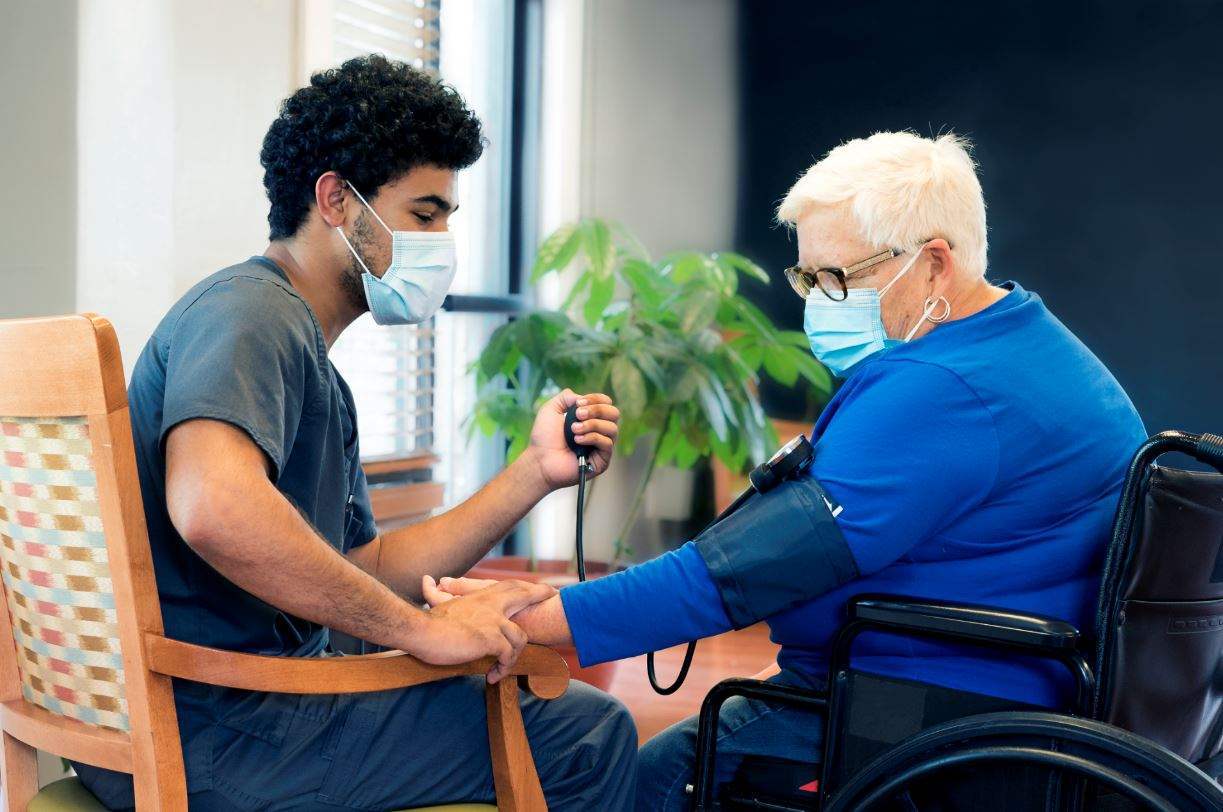
Home health care services help people get the care they need while staying in the comfort of their own homes. Many people need extra support after surgery, an illness, an injury, or a major health change. Some older adults also need help with daily activities as they get older. Instead of moving into a care facility, many people can continue living at home with the right support. This can help them feel comfortable, safe, and more independent. It can also give family members peace of mind because they know their loved one has someone nearby to provide help when needed.
Today, many families are looking for simple and flexible care options. Home health care services can meet many different needs. Some people need help for only a few hours each day. Others may need regular support throughout the week. In addition, some people need professional medical care from trained nurses or therapists. The right service depends on the person’s condition, daily needs, and care plan. Therefore, families should understand the available options before choosing a provider. Good planning can make home care easier for everyone.
Another important part of home care is the familiar environment. People often feel more relaxed when they stay in a place they know. They can sleep in their own bed, spend time with family, and follow familiar routines. They can also keep their favorite belongings close. Because of this, home health care services can create a more personal care experience. A good caregiver does more than complete tasks. They also provide kindness, patience, encouragement, and respect. These simple things can make a big difference in a person’s daily life.
What Are Home Health Care Services?
Home health care services are health and personal support services provided inside a person’s home. These services can help people who cannot manage certain activities on their own. Care may include help with bathing, dressing, meals, movement, and other daily tasks. Skilled care may also include nursing, physical therapy, occupational therapy, or speech therapy. The exact services depend on the person’s needs. Therefore, home care does not look the same for everyone. A healthy care plan should focus on the individual and the support they actually need.
Some people need home care for a short time. For example, a person may need help after an operation. They may have trouble walking, preparing meals, or completing normal household activities. As they recover, they may become more independent and need less support. Other people may need long-term assistance because of age, disability, or an ongoing health condition. In both situations, home health care services can provide useful support. The care plan can also change when the person’s needs change.
Families should understand that home care can include both medical and non-medical support. Medical care may come from qualified health professionals. Non-medical care may focus on everyday activities and companionship. Both types can be valuable. For example, a person may need a nurse for certain health needs and a caregiver for meals and personal care. By combining the right services, families can create a plan that supports safety, comfort, and independence.
Why Do People Choose Home Health Care?
Many people choose home health care because they feel more comfortable at home. Hospitals and care facilities can feel unfamiliar and busy. Home offers a quieter environment. A person can stay close to family members, pets, favorite furniture, and personal belongings. They can also keep many of their normal habits. For older adults, this can be especially important because familiar surroundings can help them feel secure. Home health care services allow people to receive support without giving up the comfort of their own space.
Another major benefit is personal attention. In a home setting, care can focus directly on one person. The caregiver can learn the person’s habits, preferences, and needs. For example, they may learn what time the person likes to eat breakfast or how they prefer to organize their day. This personal approach can help build trust. Over time, the person may feel more comfortable asking for help. As a result, the care relationship can become stronger and more supportive.
Home care can also make life easier for family members. Caring for a loved one can be rewarding, but it can also be difficult. Family caregivers may have jobs, children, household duties, and other responsibilities. They may not always have the time or training to provide every type of support. Home health care services can fill some of these gaps. Professional caregivers can provide needed assistance while family members continue to spend meaningful time with their loved ones.
Who Can Benefit From Home Health Care Services?
Home health care services can benefit many different types of people. Older adults are one common group. Some older adults can live independently but need help with certain daily activities. They may need support with meals, bathing, dressing, cleaning, or transportation. With the right help, they may be able to stay in their homes longer. This can provide comfort and allow them to maintain a familiar lifestyle.
People recovering from surgery can also benefit from home care. Recovery may make simple activities difficult for a short period. A person may have trouble walking, cooking, getting dressed, or keeping the home organized. A caregiver can provide practical support while the person focuses on getting stronger. Skilled professionals may also provide therapy or nursing care when needed. Therefore, home health care services can support both short-term recovery and longer-term needs.
People living with disabilities or ongoing health challenges may also need regular assistance. Their needs can vary from day to day. Some may need help with personal care, while others may need mobility support or companionship. A customized care plan can help them remain active and independent. In addition, family members can feel more confident when trained professionals are available to provide support.
Types of Home Health Care Services
Home health care services include many different types of care. The services available can depend on the provider, the person’s condition, and the care plan. Some services focus on everyday activities. Others require professional training. Before choosing a provider, families should learn what each service includes and whether it matches their needs.
Common home care services may include:
- Personal care assistance
- Nursing care
- Physical therapy
- Occupational therapy
- Speech therapy
- Medication reminders
- Meal preparation
- Light housekeeping
- Mobility assistance
- Companionship
- Post-surgery support
- Recovery assistance
- Help with daily routines
Personal care helps people manage activities that may have become difficult. Nursing care focuses on professional health needs. Therapy services help people improve movement, communication, and daily skills. Meanwhile, companionship can help reduce loneliness and provide emotional support. By combining suitable services, families can create a balanced plan.
It is also important to remember that not every person needs every service. A person recovering from a minor injury may only need temporary help. Someone with more complex needs may require several types of care. Therefore, families should avoid choosing services simply because they are available. Instead, they should focus on what will actually help the person live safely and comfortably.
Personal Care at Home
Personal care is an important part of many home health care services. It can help people with activities such as bathing, dressing, grooming, using the bathroom, and moving around the home. These tasks may seem simple, but they can become difficult after an injury, surgery, or health change. Having a trusted caregiver nearby can make these activities easier and safer.
Personal care should always protect the person’s dignity. Many people feel uncomfortable when they need help with private activities. A good caregiver understands this feeling. They should act with patience and respect. They should also encourage the person to do whatever they can safely do on their own. This balance can help protect independence while still providing needed assistance.
Every person has different preferences. Some people may want help early in the morning. Others may prefer to start their day later. Some may have special food choices or personal routines. Good home health care services take these preferences into account. When caregivers respect a person’s normal routine, the person may feel more comfortable and confident.
Nursing Care at Home
Nursing care is another important part of home health care services. It is designed for people who need professional medical support in their homes. Depending on the care plan, a nurse may monitor certain health conditions, provide treatments, check vital signs, help with wound care, or support instructions from a doctor. The exact services depend on the person’s needs and the professional’s qualifications.
Home nursing can be helpful after surgery or during recovery from an illness. A nurse can monitor the person’s progress and communicate important information to the health care team when needed. This can help families understand what is happening and what steps they should take next. However, home nursing does not replace emergency care. A serious or sudden emergency requires immediate medical attention.
Good communication is also important. Family members should know who to contact when they have questions. They should understand the care plan and follow professional instructions carefully. When everyone communicates clearly, home care can become more organized. This can help reduce confusion and make the experience easier for the patient and family.
Physical Therapy at Home
Physical therapy can help people improve strength, balance, flexibility, and movement. It can be useful after surgery, an accident, an injury, or certain health conditions. Traveling to a therapy clinic may be difficult for someone who has trouble walking. Home health care services can make therapy more convenient by bringing qualified support to the person’s home.
A physical therapist can create exercises based on the person’s abilities. The exercises may start with simple movements and become more challenging over time. The goal is usually to help the person move more safely and regain useful skills. Patients should follow professional instructions and avoid doing exercises that cause unexpected pain or problems.
Home therapy can also show professionals how a person moves in their normal environment. For example, they may notice that a hallway is narrow or that stairs are difficult to use. They can then provide suggestions that may improve safety. This makes home-based therapy a useful part of many recovery plans.
Occupational Therapy at Home
Occupational therapy focuses on everyday activities. It can help people learn safer and easier ways to complete tasks such as dressing, eating, cooking, bathing, and moving around the house. This type of therapy can be helpful when an injury or health problem makes normal activities harder.
An occupational therapist may suggest changes to the home environment. For example, they may recommend moving commonly used items to easier locations. They may also suggest tools that can make certain tasks simpler. Small changes can sometimes make a big difference in daily life.
The main goal is often greater independence. Instead of doing everything for the person, the therapist may teach them how to complete tasks more safely. This approach can improve confidence. It can also help people feel that they still have control over important parts of their lives.
Speech Therapy at Home
Speech therapy can help people who have problems with speaking, communication, understanding language, or swallowing. These difficulties can sometimes occur after an illness or injury. A speech therapist can assess the person’s needs and create exercises that match their condition.
Home-based speech therapy can be useful for people who have trouble traveling. The therapist can work with the person in a familiar environment. They may practice communication skills during normal daily activities. This can make therapy feel more natural and practical.
Swallowing support can also be important for some people. A qualified professional can provide guidance based on the person’s needs. Families should follow professional instructions carefully. If a person has a sudden or serious swallowing problem, they should seek appropriate medical help.
Benefits of Home Health Care Services
One major benefit of home health care services is comfort. People can receive support without leaving their familiar surroundings. This can help them feel calmer and more secure. They can also keep their normal routines as much as possible. For many families, this familiar environment is one of the strongest reasons to consider home care.
Another benefit is personalized support. Caregivers can focus on the person’s specific needs and preferences. They can adjust daily activities based on the care plan. This personal approach may be difficult to achieve in a busy setting with many patients. At home, the care experience can feel more focused.
Home care may also support independence. A caregiver does not always need to do everything for a person. Instead, they can help with tasks that are difficult while allowing the person to complete safe tasks on their own. This can help maintain confidence and daily skills.
Home Health Care and Family Support
Family members play an important role in home care. They often know the person’s history, habits, likes, and dislikes. However, family members may not have the time or professional skills to handle every need. Home health care services can provide additional support while allowing families to remain involved.
Family members can also help by communicating with caregivers. They can share useful information about the person’s routine and preferences. They can also ask questions when something is unclear. Clear communication can prevent misunderstandings and improve the care experience.
At the same time, family caregivers need time to rest. Caring for another person can become tiring when one person tries to do everything alone. Professional support can give family members time to work, sleep, manage their own responsibilities, and recharge. This can make the entire family healthier and more balanced.
How to Choose Home Health Care Services
Choosing the right provider requires careful thought. First, families should understand exactly what type of care the person needs. They should make a list of daily tasks that are difficult. They should also consider whether professional medical support is required. Having this information can make the search much easier.
Next, families should research providers carefully. They can ask about caregiver training, available services, scheduling, communication, and care plans. It is also important to understand costs and payment options. Families should ask questions before starting services rather than waiting until problems appear.
Trust is another important factor. The person receiving care should feel safe and respected. Therefore, families should pay attention to how caregivers communicate. A good caregiver should be patient, reliable, respectful, and willing to listen. The right relationship can make home health care services much more successful.
Safety Tips for Home Care
Safety should always be a major part of home care. Falls are a common concern for people who have mobility problems. Families can reduce risks by keeping walkways clear and making sure important areas have enough light. Loose rugs and clutter should also be reviewed.
Medication safety is another important issue. People should follow professional instructions about medicines. Caregivers can provide reminders when this is part of their role. However, families should never change medication doses without appropriate medical guidance.
Emergency planning is also helpful. Families should know who to contact if a problem occurs. Important phone numbers should be easy to find. The care team should also know about major health concerns and relevant instructions. A simple plan can help everyone respond more calmly when something unexpected happens.
Cost of Home Health Care Services
The cost of home health care services can vary widely. Several factors can affect the price. These may include the type of care, number of hours, location, level of professional training, and length of service. Medical services may also have different costs from basic personal support.
Families should ask providers for clear pricing information. They should find out whether there are hourly rates, minimum visit requirements, or other fees. It is also useful to ask about payment options and possible insurance coverage. Understanding costs early can prevent surprises later.
Cost should not be the only factor. The cheapest service may not always provide the right level of care. Families should consider quality, experience, reliability, communication, and safety. The best choice is usually a service that provides suitable care at a cost the family can manage.
How Home Care Supports Independence
One of the main goals of home health care services is to support independence. People often want to remain involved in their own lives. They may want to prepare simple meals, choose their clothes, spend time with friends, or manage certain tasks themselves. Care should support these goals when it is safe to do so.
Caregivers can help without taking away every responsibility. For example, they may prepare ingredients while allowing the person to help with a meal. They may provide support while the person walks. These small opportunities can help maintain skills and confidence.
Independence does not mean doing everything alone. Sometimes, accepting help is the safest way to remain independent. With the right support, a person may be able to continue living at home and doing many activities they enjoy. Therefore, good care should focus on abilities as well as needs.
The Role of Companionship
Companionship is another valuable part of home care. Some people spend a lot of time alone. This can happen after retirement, illness, injury, or the loss of a loved one. A caregiver can provide conversation and friendly company during the day.
Companionship may include talking, reading, playing simple games, taking a walk, or enjoying a hobby. These activities may seem small, but they can make a person’s day feel more enjoyable. Social connection can also encourage people to stay active and engaged.
Home health care services should consider the whole person. Health is not only about physical needs. Emotional comfort and social connection can also matter. A caring and respectful relationship can make home care feel more positive.
Preparing the Home for Care
Before starting home care, families may need to prepare the house. The first step is to look for possible safety problems. Walk through rooms and notice anything that could cause falls or make movement difficult.
Common areas to review include:
- Hallways
- Bathrooms
- Bedrooms
- Stairs
- Kitchens
- Entryways
- Outdoor paths
Bathrooms may need extra attention because wet floors can increase fall risks. Frequently used items should also be placed where they are easy to reach. Good lighting can make movement easier, especially at night.
A home does not need to become a hospital. The goal is to create a comfortable and practical environment. Small changes can often improve safety without changing the entire home.
How to Build a Good Care Plan
A good care plan should begin with the person’s needs. Families should think about daily activities, health concerns, personal preferences, and goals. They should also consider what the person can already do without help.
The plan should be clear and easy to understand. Everyone involved should know what tasks the caregiver will handle. They should also know when care will happen and who to contact with questions.
Most importantly, the plan should remain flexible. Needs can change over time. A person may recover and require less help. Another person may need more support later. Regular reviews can help make sure the care plan still works.
Questions to Ask a Home Care Provider
Before choosing a provider, families should ask useful questions. They should ask what services are available and whether caregivers have appropriate training. They should also ask how the company handles caregiver changes, missed visits, and emergencies.
Families can ask questions such as:
- What services do you provide?
- How are caregivers selected?
- What training do caregivers receive?
- Can the care plan change?
- How do you communicate with families?
- What happens if a caregiver cannot come?
- What are the costs?
- Are there extra fees?
- How do you handle emergencies?
- Can you provide references?
These questions can help families compare providers. They can also show whether a company communicates clearly. Good communication is important because home care involves trust and responsibility.
How Home Health Care Can Help Older Adults
Older adults often want to remain in their homes for as long as possible. Home health care services can make this goal easier by providing support with daily tasks. A caregiver may help with meals, personal care, light household tasks, transportation, or companionship.
The level of help can change over time. Someone may start with only a few visits each week. Later, they may need more regular support. This flexible approach can allow older adults to maintain more control over their daily lives.
Family members can also feel more comfortable when support is available. They do not have to manage every task alone. Instead, they can spend more time enjoying meaningful moments with their loved one. This can improve the experience for both the older adult and the family.
Home Health Care After Surgery
Recovery after surgery can take time. Even when the surgery goes well, a person may feel weak or tired afterward. Simple tasks can become difficult. Home health care services can provide useful support during this recovery period.
A caregiver may help with meals, movement, dressing, and other daily activities. Depending on the care plan, nurses or therapists may also provide professional support. This can help the person follow their recovery plan while staying in a familiar environment.
Families should always follow the instructions provided by the medical team. Recovery plans can differ from one person to another. If new or serious symptoms appear, the person should contact an appropriate medical professional rather than relying only on home care.
Technology and Modern Home Care
Technology is becoming more useful in home care. Some providers use digital tools to communicate with families and manage schedules. Certain devices can also help monitor health information when recommended by a health professional.
Video calls can make communication easier. Families may be able to speak with caregivers or health professionals without traveling. Digital records can also help care teams keep information organized.
However, technology should support care rather than replace human attention. A device cannot provide the same comfort as a caring person. Home health care services work best when technology and personal support work together.
How to Make Home Care More Comfortable
A comfortable care experience begins with respect. The person receiving care should have a voice in daily decisions whenever possible. They should be able to express their preferences and concerns.
Small personal touches can also help. Favorite meals, familiar music, hobbies, photographs, and regular routines can make the home feel normal. Caregivers should learn what the person enjoys and encourage safe activities.
Communication is equally important. People should feel comfortable saying when something does not feel right. Families and caregivers should listen carefully. When everyone works together, home care can become more comfortable and effective.
Common Challenges With Home Health Care
Although home care has many benefits, it can also create challenges. Finding the right caregiver may take time. Scheduling can also become difficult when several people are involved. Costs may be another concern for some families.
Communication problems can also occur. A family may expect one type of support while the caregiver understands the plan differently. This is why written care plans and regular conversations are useful.
The good news is that many problems can be managed with planning. Families should ask clear questions before starting services. They should also communicate concerns early. A strong relationship between the family, caregiver, and health professionals can help solve problems quickly.
FAQs
1. What are home health care services?
Home health care services provide medical or personal support in a person’s home. Services may include nursing, therapy, personal care, meal help, mobility support, and companionship.
2. Who can use home health care?
Older adults, people recovering from surgery, people with disabilities, and people with ongoing health needs may benefit from home care. The right service depends on individual needs.
3. Can home care be temporary?
Yes. Some people only need support during recovery. Others may need long-term care. A care plan can change as the person’s needs change.
4. Are home health care services expensive?
Costs vary based on the type and amount of care. Families should ask providers for detailed pricing and check whether insurance or other payment options may apply.
5. How do I choose a home care provider?
Look for a provider with trained caregivers, clear communication, suitable services, good safety practices, and transparent pricing. Ask questions before starting care.
Conclusion
Home health care services can give people a comfortable way to receive support while staying at home. They can help older adults, people recovering from surgery, people with disabilities, and others who need assistance with daily activities. The biggest benefit is often the ability to receive care in a familiar environment.
The right home care plan should always focus on the individual. Some people may need personal care, while others may need nursing or therapy. Some may only need help for a short time. Others may need regular support for many years. Therefore, families should choose services based on real needs rather than choosing a plan that offers more than necessary.
Good home care is about more than completing daily tasks. It is also about kindness, respect, safety, communication, and independence. With the right caregiver and a well-planned care routine, people can receive valuable support while continuing to enjoy the comfort of home.
